
Residential & commercial garage doors
No More Door Drag
When a door slams shut or stops just short of latching, every entry becomes a repeated interruption. Arrange swing door repair in Fairfax, VA to correct the hardware causing it.
Swing doors slam, hesitate, or fail to latch when closers lose hydraulic control, arms loosen, hinges bind, or locking hardware becomes misaligned. Repair starts by observing the closing behavior and identifying the affected component. The correction depends on whether the problem involves closing speed, physical resistance, or latch engagement.
Many commercial hinged doors use hydraulic closers to regulate their return movement. The sweep adjustment controls much of the closing travel, while the latching-speed adjustment governs the final approach to the frame. Backcheck, where provided, moderates opening movement rather than controlling how the door returns to its closed position.
Swing door repair in Fairfax, VA involves distinguishing these closing functions from mechanical resistance. A door might move smoothly through most of its swing but stop when the latch reaches the strike plate. Another might accelerate suddenly because the closer has lost hydraulic fluid. Each behavior points toward a different repair requirement.
The way a hinged door returns to its frame helps identify the affected hardware. Slamming after release suggests a closing-control problem, while hesitation near the frame directs attention toward the latching phase. A loose closer arm or damaged hinge introduces movement that adjustments to the hydraulic valves will not necessarily correct.
At an office entrance near Old Town Fairfax, a door might close at a controlled speed but remain slightly open after every visitor. That behavior calls for checking latch engagement, closer spring force, and possible frame contact. Repeatedly increasing closing speed without identifying the obstruction risks leaving the original defect unresolved.
A swing door that closes normally until the last few inches may have a misaligned strike plate, binding hinges, excessive weatherstrip resistance, or insufficient closer force. The latch must enter its receiving hardware without someone forcing the door shut. Increasing latching speed alone does not correct a physical obstruction.
Metro Garage Doors evaluates the closing hardware against the actual movement problem. A loose hinge or displaced strike requires different work from a hydraulic closer that has lost fluid. When the frame or door assembly is too damaged for reliable component repair, swing door installation addresses the replacement and fitting requirements. A swing door repair in Fairfax, VA begins with the point where normal closing behavior changes. The affected hardware is identified before adjustments or replacement.
Step 1
We check closing movement from appropriate opening positions, noting uncontrolled acceleration, delayed return, stopping points, and inconsistent latch engagement.
Step 2
Hinges, closer arms, latch contact, frame clearance, and mechanical connections are examined to identify interference or faulty closing control.
Step 3
Defective hinges, closers, mounting arms, strikes, and locking components receive suitable adjustment, repair, or replacement according to their condition.
Step 4
Closing tests are repeated from appropriate positions to check controlled movement, consistent latch operation, and freedom from frame interference.
A door closing successfully once does not establish reliable operation. Its return movement needs to remain controlled after different opening angles, and the latch must engage without another push. Metro Garage Doors checks the interaction between closing hardware, hinge movement, and the receiving frame rather than relying on one successful closing cycle.
The closer must regulate the main closing movement without uncontrolled acceleration, excessive delay, or sudden changes caused by damaged hydraulic components.
The latch should enter its strike consistently from appropriate opening positions, without manual assistance or excessive impact against the frame.
Door edges need adequate clearance past the jamb and threshold. Worn hinges or loose mounting points require correction when they interfere with closing.
The door should open with suitable effort, while any installed backcheck functions as intended. Closer adjustments must respect applicable accessibility and door requirements.
Continued slamming suggests the closer adjustment did not address the underlying fault. Lost hydraulic fluid, damaged internal components, loose mounting arms, or incompatible closer settings interfere with controlled movement. Binding hinges and frame contact also affect operation. A technician checks the closer’s condition and the door’s mechanical movement before determining the repair.
Visible oil leakage indicates a problem with the closer’s hydraulic sealing system. Many common commercial door closers are replaced as complete units when internal seals fail because restoring the correct fluid level and reliable damping is not practical through ordinary adjustment. The replacement must suit the door’s dimensions, weight, and operating requirements.
Pressure differences between indoor and outdoor spaces affect the force required to close a door. Strong airflow or an imbalanced ventilation system sometimes prevents the latch from engaging during the final closing movement. The assessment must distinguish air-pressure resistance from closer problems, hinge binding, and damaged locking hardware before adjustments are made.
A fire-rated door assembly may remain repairable when the work uses permitted components and preserves its required fire-protection performance. Hinges, closers, latches, labels, and frame conditions need appropriate assessment. Unauthorized modifications or incompatible replacement hardware compromise the assembly. Qualified personnel must follow applicable requirements and manufacturer instructions.
Repair costs depend on the failed component, door configuration, and labor required. Adjusting a strike plate differs from replacing a hydraulic closer, repairing damaged hinge attachments, or correcting a distorted frame. Commercial door hardware and fire-rated assemblies introduce additional compatibility requirements. An inspection establishes which parts and repairs are necessary.
When the entrance stays partly open after every visitor, adjusting the closure isn’t always the answer. Find out why the door fails to latch and what needs repair. Call (703) 944-0855.
We’re available 24/7 for your assistance!
Prefer to talk?
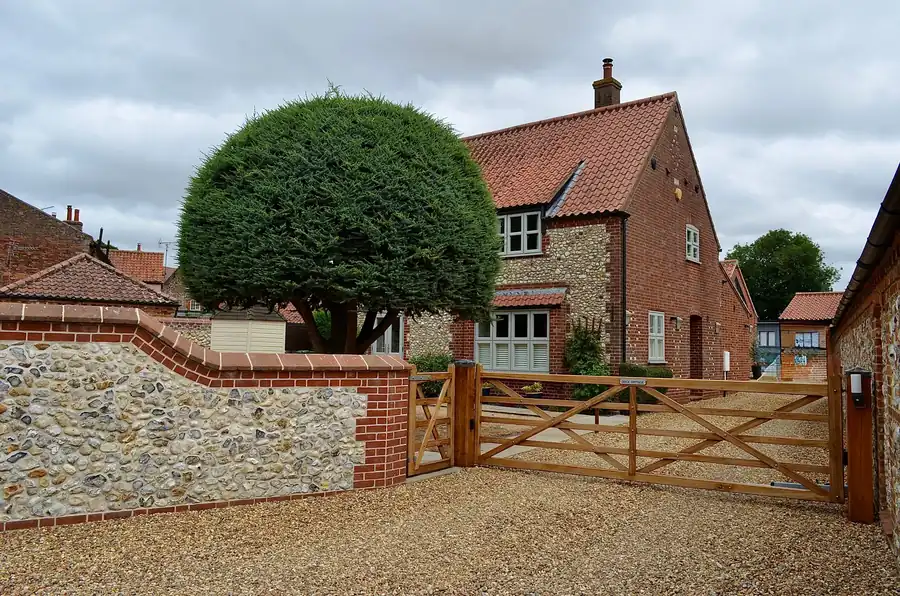
A severely distorted door leaf, damaged frame, or unsuitable existing assembly requires replacement assessment instead of repeated hinge and closer adjustments.
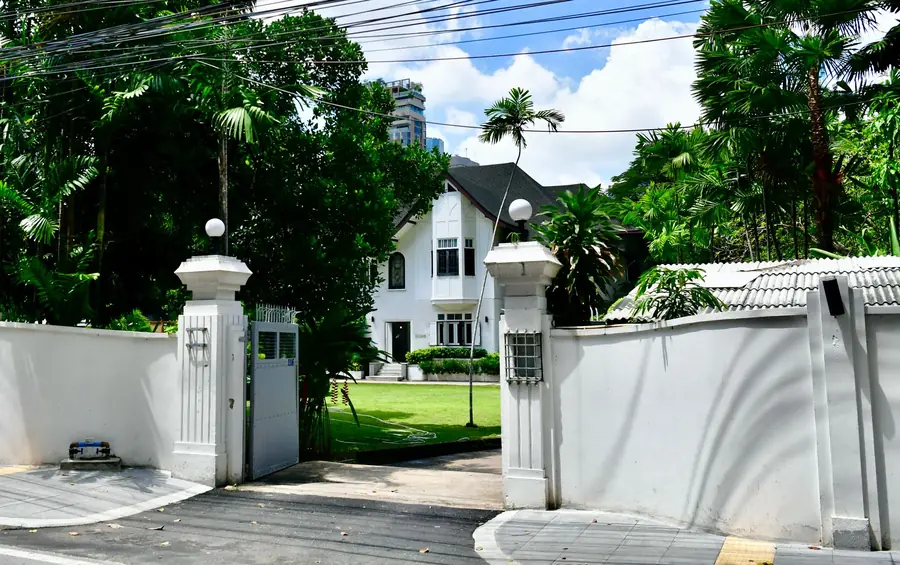
Driveway gates with sagging leaves, damaged hinge posts, or faulty actuators need gate-specific repairs rather than commercial pedestrian door closer work.
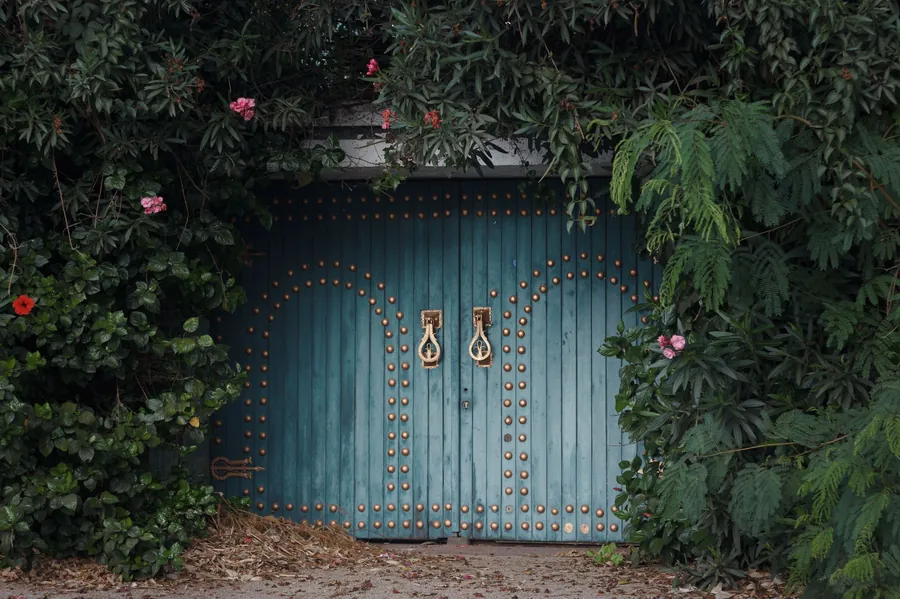
New residential and commercial entry doors require correct handing, compatible frames, appropriate hinges, and suitable closing and locking hardware.
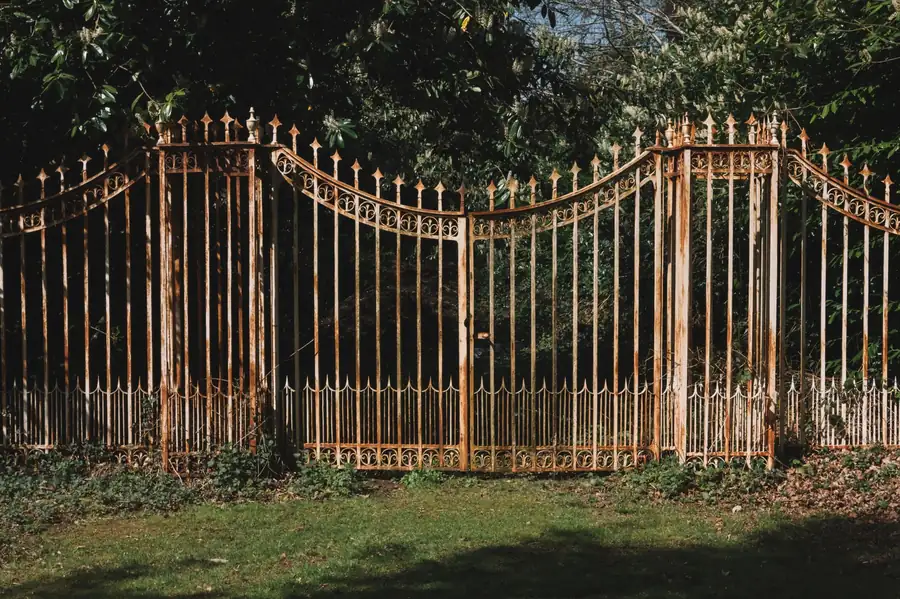
For installation and repair of pedestrian doors or driveway gates, our swing door and gate services cover the different entry systems and their hardware.