
Residential & commercial garage doors
Enter Without Extra Steps
Already have a gate you want motorized, or starting with a new entrance? Our automatic gate installation in Fairfax, VA covers both, with equipment selected for your existing setup.
Many existing manual gates can be automated without replacing the entire structure. The gate must be mechanically sound, move freely, and accommodate a compatible operator. New entrances allow the gate and automation equipment to be planned together. Older automatic systems may also qualify for operator replacement when their existing components remain suitable.
You might already have a perfectly usable manual gate and simply want it to open automatically. That doesn’t necessarily mean buying another gate. Before selecting the motor, its weight, movement, support hardware, and compatibility with powered operation need to be checked. Metro Garage Doors considers these conditions when assessing existing entrances for automation.
A new entrance presents a different opportunity. The gate, operator, electrical supply, and supporting structure can be planned together rather than adapted afterward. Properties with outdated automation have another decision: whether the existing gate and controls remain usable with replacement equipment. Our electric gate installation and servicing options address these different project requirements.
A manual gate that has worked for years isn’t automatically ready for a motor. Hinges may have developed play, sliding rollers might drag, or existing latches may interfere with powered movement. Before arranging automatic gate installation in Fairfax, VA, the current construction must be checked for conditions that affect the proposed operator.
New entrances bring decisions that aren’t visible once the driveway is finished. Consider a property near Fairfax Station with an unfinished entrance and plans for an electric gate. Operator foundations, underground conduit, control wiring, and suitable gate supports need coordination with the surrounding construction. Completing that preparation early reduces the likelihood of disturbing finished surfaces later.
A sliding gate and a hinged swing gate need different drive mechanisms. Sliding operators typically move the gate through a drive connection along its horizontal travel, while swing operators apply force through compatible arms or actuators. The selected equipment must suit the gate’s dimensions, weight, movement, usage frequency, and mounting arrangement.
Operator capacity also matters when an existing system is being upgraded. Replacing an older motor with a different model requires checking the available mounting positions, drive connections, controls, and gate condition. If a powered entrance has developed operating faults rather than needing a new installation, repairing its existing electric gate equipment may be the appropriate option.
Step 1
We check whether the project involves a manual gate conversion, a completely new entrance, or replacement of an existing automatic operator.
Step 2
The required gate modifications, operator position, electrical provisions, mounting hardware, and safety-device locations are established before equipment installation proceeds.
Step 3
Compatible automation hardware, controls, and protective devices are fitted according to the gate configuration, manufacturer’s instructions, and applicable installation requirements.
Step 4
We test gate movement, control responses, and required protective functions, then explain the installed equipment’s normal operation and approved manual release.
Two installation estimates can describe similar gates while including different equipment and preparation work. A useful proposal identifies the operator, electrical responsibilities, safety equipment, and commissioning requirements. When comparing automatic gate installation in Fairfax, VA, property owners should understand which tasks are included and which require separate arrangements before approving the work.
The proposal should identify the intended operator and its suitability for the gate type, dimensions, operating frequency, and applicable usage classification.
Power supply preparation, underground conduit, cable routing, electrical connections, and any separately coordinated electrician work should be identified in the installation proposal.
Required monitored sensors, sensing edges, and other applicable entrapment protection must be accounted for, including installation locations and functional testing.
The scope should address final travel settings, protective-device testing, approved manual-release instructions, operating documentation, and any included owner training or maintenance guidance.
Replacing the operator without changing the gate is possible when the existing structure meets the requirements for powered operation. Its hinges or rollers, travel stops, mounting points, and safety provisions need assessment. A replacement motor must also be compatible with the gate’s dimensions and intended use. Older equipment connections may require modification.
Installation quotes may include different operator models, mounting hardware, electrical work, access controls, and safety equipment. One proposal might cover underground conduit or foundation preparation while another excludes those tasks. Comparing the listed components and labor responsibilities helps identify actual differences before choosing an installer based solely on the quoted amount.
Operator selection depends on gate weight, dimensions, construction, operating resistance, and expected daily use. A heavy sliding gate may require a different drive capacity from a lightweight residential entrance. Wind exposure also affects some gate configurations, particularly large solid swing leaves. The manufacturer’s specifications determine which operator suits the installation.
Electrical responsibilities depend on the installation agreement and the work involved. A project may require a qualified electrician to prepare a suitable circuit, underground wiring, or other electrical provisions before the gate operator is connected. The contractor’s proposal should identify who handles electrical preparation, required permits, inspections, and equipment-specific connections.
Warranty implications depend on the original gate and operator manufacturers’ terms. Changing operator brands may affect coverage when incompatible mounting modifications, altered controls, or unapproved components are involved. The new operator also carries its own warranty conditions. Review the relevant documentation before replacing equipment or modifying existing gate hardware.
Existing remotes, keypads, or intercoms may remain usable if their control interfaces and operating requirements are compatible with the replacement operator. Some upgrades require additional receivers, interface modules, or control changes. Compatibility must be checked rather than assumed, especially when older equipment uses proprietary communication or connection arrangements.
A working manual gate, a new entrance, and an outdated automatic system require different installation decisions. Metro Garage Doors helps identify the necessary equipment and preparation. Call (703) 944-0855 to discuss your project.
We’re available 24/7 for your assistance!
Prefer to talk?

Homeowners considering an automatic entrance for a private driveway need a gate arrangement suited to vehicle access, property layout, and household use.

An installed motor that stalls, reverses unexpectedly, or fails to respond requires fault assessment before the property owner commits to complete equipment replacement.
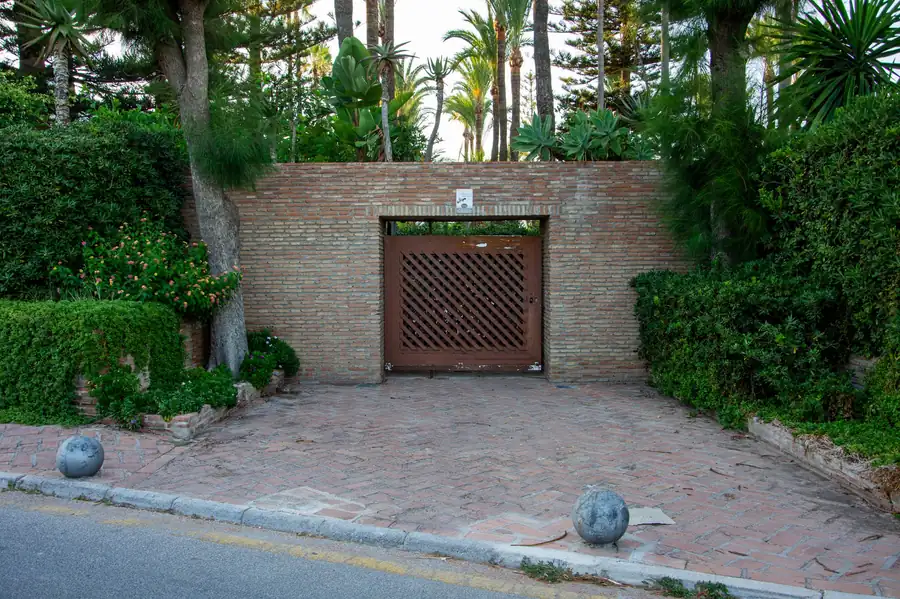
Existing hinges, rollers, posts, and travel stops may need correction before an operator can move the gate reliably through its intended path.

After installation, automatic gates require appropriate inspections of operating hardware, access controls, and protective devices according to manufacturer guidance and usage.