
Residential & commercial garage doors
Secure the Entrance Again
The access code works, but the gate stops halfway and leaves the entrance exposed. Emergency gate repair in Fairfax, VA addresses interrupted gate movement, faulty controls, and problems preventing secure closure.
Emergency gate repair addresses automatic gates that stop moving, ignore access commands, reverse unexpectedly, or fail to close. Repairs cover sliding and swinging driveway gates, electric operators, access-control equipment, and applicable rolling security gates. With 24/7 availability, guaranteed same-day response, and confirmed arrival arrangements, urgent gate problems receive professional attention.
An automatic gate begins operating when an authorized input reaches its control system. A keypad, remote transmitter, intercom, or vehicle detector sends a command that the operator processes according to its programmed settings and connected protective devices. Depending on the installation, the motor then drives a sliding or swinging gate toward its intended position.
Receiving a command does not guarantee that the gate will complete its travel. A control board may register an input while damaged drive hardware prevents movement. Active protective sensors, incorrect travel settings, or a defective vehicle detector may also interrupt operation. Identifying the stage where movement stops helps establish which components require attention.
Gate failures become easier to describe when separated into command problems and movement problems. A gate that ignores a remote may have a different fault from one that begins moving and stops halfway. Emergency gate repair in Fairfax, VA addresses these conditions through inspection of the relevant controls, operating equipment, and gate hardware.
Consider a commercial entrance in Chantilly where an authorized keypad code activates a sliding gate, but the panel stops before clearing the driveway. At another property, a double swing gate might open normally but fail to close afterward. Both situations interrupt access, yet their underlying causes could involve entirely different components or control inputs.
These symptoms do not establish which part has failed. A gate that refuses to close may be responding correctly to an active protective device, while another may have a damaged drive assembly. The technician must establish the condition responsible for the interruption before corrective work begins.
Restoring movement is only part of repairing an automatic gate. Motorized vehicular gates rely on appropriate entrapment protection to help prevent injuries during opening and closing. Depending on the installation, protective equipment includes monitored photoelectric sensors, sensing edges, and operator-based obstruction detection. A moving gate with defective required protection is not ready for normal operation.
Safety-related faults must be distinguished from unnecessary interruptions. A photoelectric sensor detecting an obstruction may correctly prevent closure, while damaged sensor wiring or defective protective equipment requires repair. Metro Garage Doors evaluates the relevant operating and protective components without treating disabled safety devices as an acceptable way to restore access.
Step 1
The technician establishes which commands worked previously, whether the gate stopped during opening or closing, and what happened before the failure. These observations help narrow the investigation to relevant equipment.
Step 2
The gate’s hinges, guide rollers, wheels, tracks, drive components, or rolling assemblies are examined according to its construction. Damaged hardware and physical obstructions are distinguished from operator-control problems.
Step 3
Applicable photoelectric sensors, sensing edges, vehicle detectors, and operator diagnostics are examined. Their condition helps establish whether a protective input is operating correctly or requires repair.
Step 4
After corrective work, the relevant opening and closing functions, control responses, travel limits, and required protective devices are checked. Equipment with unresolved faults must not return to unsafe operation.
Gate repair begins by locating the interruption within the installed system. The examination differs according to the gate’s design, operator, connected access controls, and observed behavior. Each stage helps determine the required repair without assuming that every malfunction originates in the motor.
The direction in which a gate moves determines which hardware carries its weight and controls its travel. Sliding gates use different supporting and driving arrangements from hinged swing gates. Rolling security gates introduce another mechanism because the curtain moves vertically through guides and coils above the opening.
Emergency gate repair in Fairfax, VA, therefore requires attention to the actual gate construction. A bent sliding-gate guide cannot be treated like a damaged swing-gate hinge, and a rolling curtain jam requires different corrective work from a failed driveway gate operator. Access controls also need to be considered wherever they affect the gate’s intended operation.
Sliding gates may develop damaged guide rollers, displaced wheels, bent tracks, or worn drive components. Repairs address the affected support and movement hardware rather than forcing the gate through its travel path.
Swing gates rely on hinges, mounting brackets, and suitable operating mechanisms. Misalignment, bent operator arms, damaged pivots, or unequal movement between gate leaves can prevent complete opening or closing.
Rolling security gates may experience damaged curtain slats, bent guide channels, defective bottom bars, or motorized operating faults. Repair requirements depend on curtain construction and the condition of connected hardware.
Keypads, intercom interfaces, remote receivers, vehicle detectors, control boards, and associated wiring can affect automatic gate operation. The defective device or connection must be identified before compatible repairs are selected.
An automatic gate may remain open because an opening command is still active, a vehicle detector is registering traffic, or a protective input is preventing closure. Incorrect timer settings or a control fault may also contribute. A technician examines the operator’s inputs and diagnostics to identify the cause without bypassing required safety equipment.
An off-track sliding gate may be repairable when its frame, wheels, guides, and supporting structure remain suitable for continued use. The technician must establish why the gate became displaced and inspect the affected components. Bent supports or damaged guide hardware may require replacement. Operating the gate while displaced risks additional damage.
Unequal movement can result from a failed operator, damaged mounting arm, wiring problem, or control issue affecting one gate leaf. Some dual-gate systems also use coordinated sequencing to prevent interference. The cause depends on the installation and its operating configuration. A technician must evaluate both gate leaves and their connected controls.
Individual slat replacement may be possible when compatible curtain components are available, and the remaining assembly is structurally suitable. The guides, end locks, bottom bar, and coiling arrangement also require examination. Extensive deformation may affect more than the visibly damaged slats, making a larger curtain repair or replacement necessary.
A working remote indicates that the operator can respond to at least one command source. The keypad may have a power problem, incorrect programming, damaged wiring, or a failed connection to the gate controller. Wireless and hardwired systems require different checks. The technician identifies the faulty input without unnecessarily replacing functioning operator components.
Automatic gate locks may use electric locking hardware, mechanical latches, or control outputs coordinated with the operator. A gate that reaches its closed position may still fail to lock correctly. The locking mechanism and its control arrangement require separate evaluation. Repair completion depends on the defective components and their compatibility.
A gate that stops midway, ignores access commands, or fails to secure an entrance needs professional attention. Contact Metro Garage Doors at (703) 944-0855 for 24/7 emergency availability, guaranteed same-day response, and confirmed arrival arrangements. For residential driveway entrances, commercial properties, and facilities with controlled vehicle access, our Northern Virginia service coverage includes:
We’re available 24/7 for your assistance!
Prefer to talk?
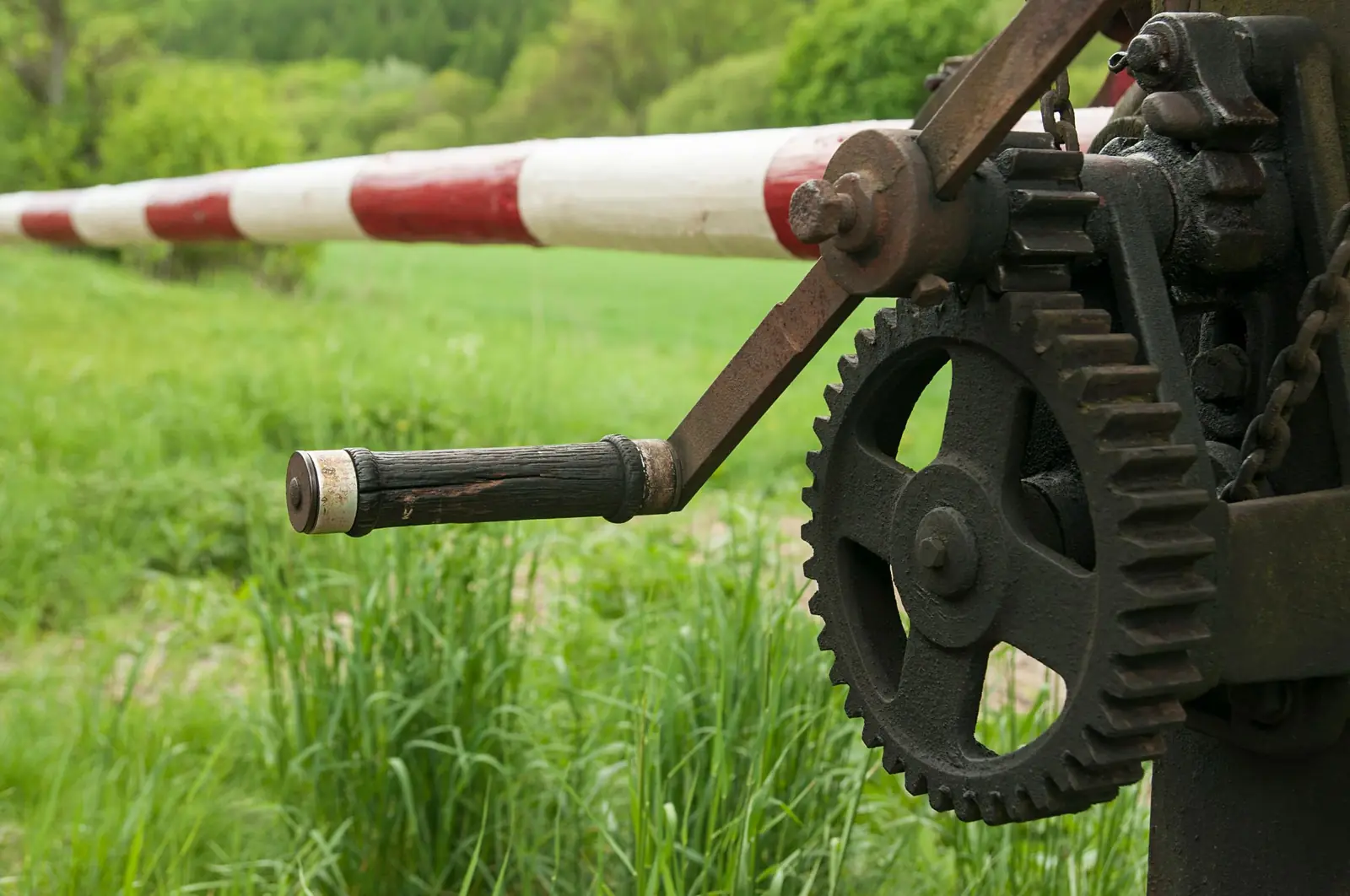
Routine inspection and servicing of automatic gate operators, control components, and supporting hardware help identify developing problems affecting powered entrances.
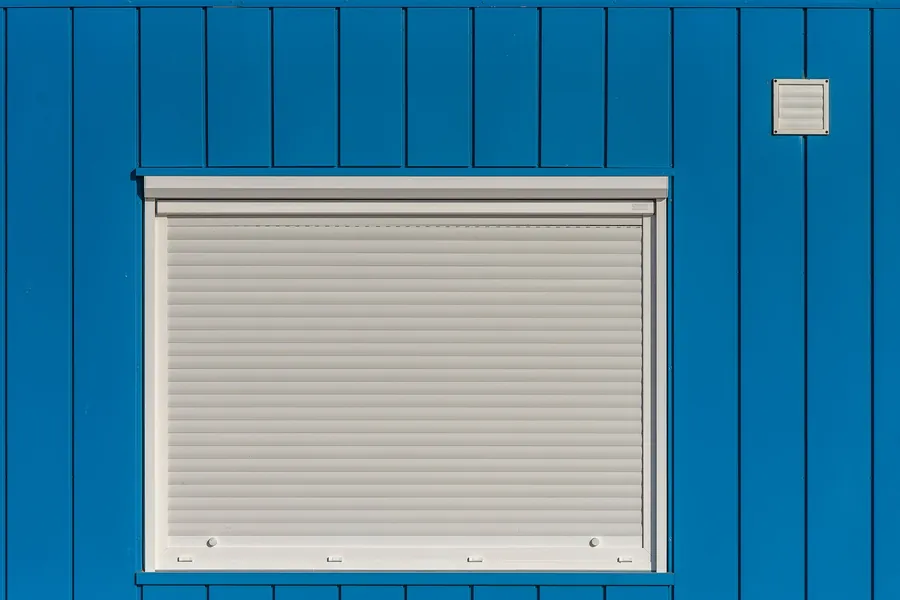
Commercial rolling gates with worn curtain components, damaged guides, or operating problems may require specialized repair suited to their vertical movement and construction.

Where extensive structural damage or unavailable replacement components make repair impractical, installation of a suitable gate and operator assembly may be considered.

Properties experiencing simultaneous problems with garage doors and gates can arrange emergency assistance for garage doors and gated entrances to address their urgent access concerns.