
Residential & commercial garage doors
Get Back to Business
The service ticket says, “Garage door not working.” Is it stuck open, refusing to close, or stopping before clearing a vehicle? Commercial garage door repair in Fairfax, VA starts with identifying the failed function.
Commercial garage door repairs address malfunctioning operators, damaged sectional hardware, incomplete closing, and problems affecting normal door movement. The required work depends on whether the fault involves mechanical components, electrical controls, or the door assembly itself. Identifying the affected equipment helps determine whether individual components can be repaired or need replacement.
A garage door that stops before reaching its full opening height can prevent a delivery van or service vehicle from leaving the building. The operator may be responding to excessive resistance, a damaged component, or an incorrect travel setting. Identifying the obstruction or operating fault determines what needs repair.
Closing problems create another set of concerns. The door may reverse before reaching the floor, leave a gap beneath its bottom section, or ignore a closing command. The cause could involve safety sensors, operator settings, or damaged hardware. Our commercial garage door services for business properties cover these operating problems alongside other installation and maintenance requirements.
For an automotive service garage, a door that stops short of its open position can restrict vehicle movement even when the motor continues operating. Damaged rollers, binding hinges, counterbalance faults, or a malfunctioning opener may contribute. Commercial garage door repair in Fairfax, VA involves identifying the source rather than repeatedly operating a door that encounters resistance.
Consider a hypothetical repair shop in Centreville where a service-bay door opens but no longer provides sufficient clearance for a taller vehicle. A technician would need to establish whether the door is reaching its intended position or stopping prematurely. A confirmed counterbalance failure may require replacement of commercial overhead door springs rather than an adjustment to the opener.
A sectional door that stops just above the floor may leave the garage exposed to rain, wind, or unauthorized entry. The problem might involve incorrect operator travel settings, debris in the track, a distorted bottom section, or an obstruction detected by the safety equipment. The closing position needs checking before adjustments are made.
Some operators restrict closing when their protective devices detect a fault. Forcing the door down or bypassing those devices creates additional hazards. The appropriate repair restores the intended closing movement while preserving required safety functions. Damaged seals and uneven thresholds also deserve attention when the door reaches its closed position but still leaves a gap.
Step 1
We establish whether the door has an opening problem, closing problem, unreliable operator response, or visible mechanical damage affecting its movement.
Step 2
The affected rollers, tracks, hinges, lifting hardware, controls, or operator components are examined according to the reported symptoms and door condition.
Step 3
Damaged parts are identified, and the necessary work is established. The assessment distinguishes localized component replacement from faults affecting a larger assembly.
Step 4
The specified repairs are carried out, followed by appropriate checks of door movement, operating controls, and required protective devices before normal use resumes.
A malfunctioning garage door doesn’t always need a complete new assembly. Metro Garage Doors examines the reported failure and the relevant components to determine what corrective work is needed. Returning a door to use involves checking the functions that matter during daily operation. Commercial garage door repair in Fairfax, VA needs to address the reported fault without creating new problems with travel, closure, or protective equipment. The completed repair must be evaluated against the door’s intended operating requirements.
The door must reach its intended open position and provide the available vehicle clearance without binding, unexpected stopping, or interference from damaged supporting hardware.
The bottom section needs to reach its designed closing position. Appropriate seals and hardware should contact the finished opening without excessive force.
Wall stations, compatible transmitters, and the electric operator should perform their designated functions without inconsistent movement or unexplained interruptions during normal operation.
Required photoelectric sensors, sensing edges, and other applicable protective devices must function correctly. Faulty safety equipment needs correction before powered operation resumes.
Incomplete closing can result from incorrect operator travel settings, track obstructions, damaged lower sections, or a protective device detecting a problem. A worn bottom seal may also leave a visible gap even when the door reaches its intended position. The repair depends on which condition prevents proper closure.
If the wall station operates the door normally, the problem may involve the remote battery, transmitter programming, radio receiver, or communication interference. Some control systems also have lockout settings. The relevant equipment needs checking before replacing the opener, particularly when the motor and door respond correctly to other commands.
A vehicle impact may damage the lower section, roller bracket, hinge, or adjoining track. The visible dent doesn’t always show the full extent of the damage. Repair depends on whether the affected parts remain structurally suitable and compatible replacements are available. A qualified inspection should precede further operation.
The door may be stopping below its intended open position because of an operator travel setting, mechanical obstruction, or damaged lifting hardware. However, the original opening and track arrangement also determine maximum clearance. Repair can restore lost travel, but it cannot automatically increase the building’s designed opening height.
Some commercial operators permit restricted constant-pressure closing under specific conditions, depending on their design and applicable requirements. That behavior may indicate a protective-device problem, but it is not a diagnosis by itself. Staff should not bypass sensors or alter safety wiring. A qualified technician needs to identify the cause and confirm safe operation.
Slow movement may involve the electric operator, but worn rollers, binding tracks, inadequate counterbalance, or other mechanical resistance can produce similar symptoms. A replacement motor will not correct a defective lifting assembly. Checking the door’s mechanical condition and operating equipment helps establish whether opener repair alone is appropriate.
Is the door stuck open, refusing to close, or stopping before it clears a vehicle? Tell Metro Garage Doors what’s happening at your service bay. Call (703) 944-0855 to discuss the repair. From independent automotive shops to commercial vehicle garages, our repair coverage extends across these Northern Virginia communities:
We’re available 24/7 for your assistance!
Prefer to talk?
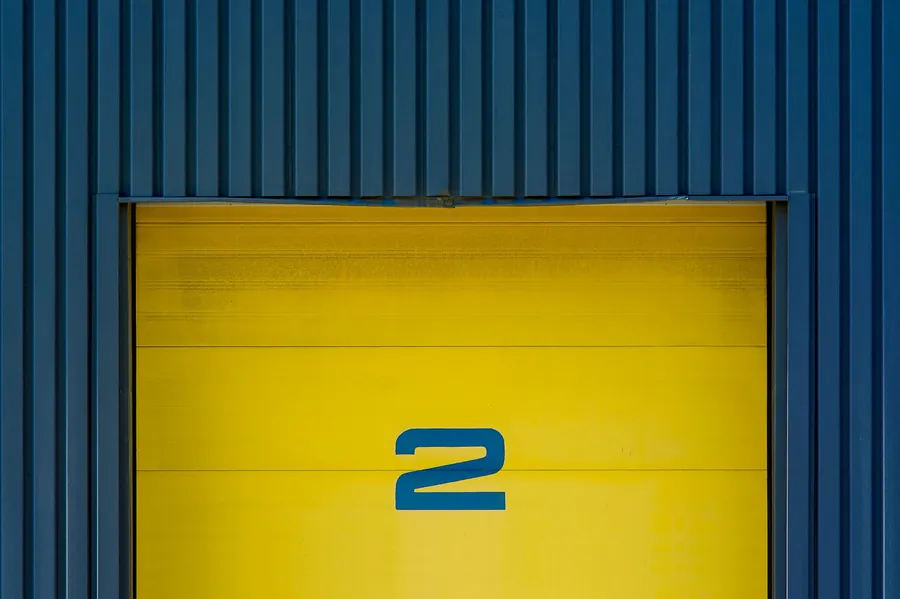
Warehouses with damaged lifting assemblies or unstable overhead sections may require repairs to industrial and warehouse overhead doors involving several connected components.

Where the remaining assembly is serviceable, replacing damaged commercial garage door panels may correct localized section damage without requiring an entirely new door.
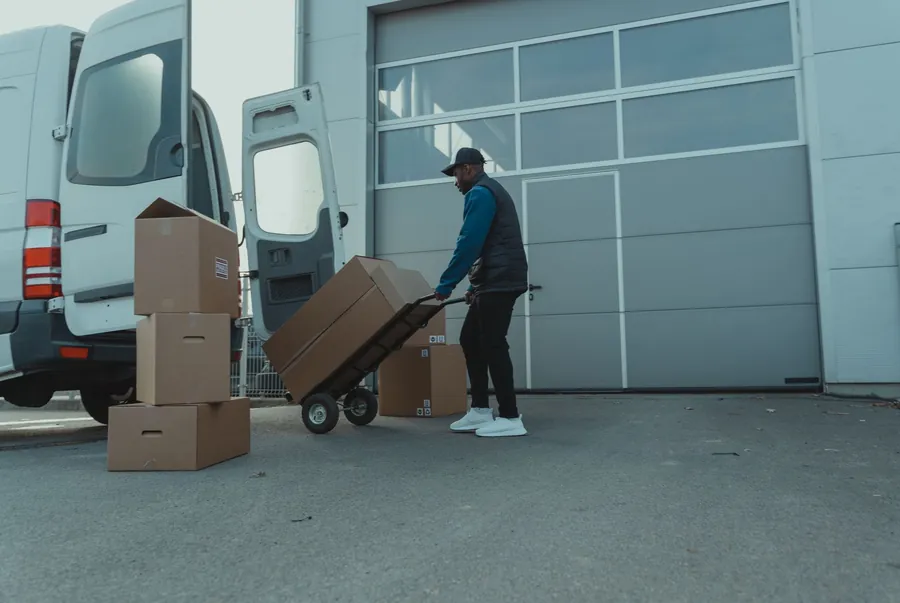
Frequently used garage doors benefit from scheduled maintenance of commercial operating hardware to monitor wear in rollers, hinges, springs, and operator components.
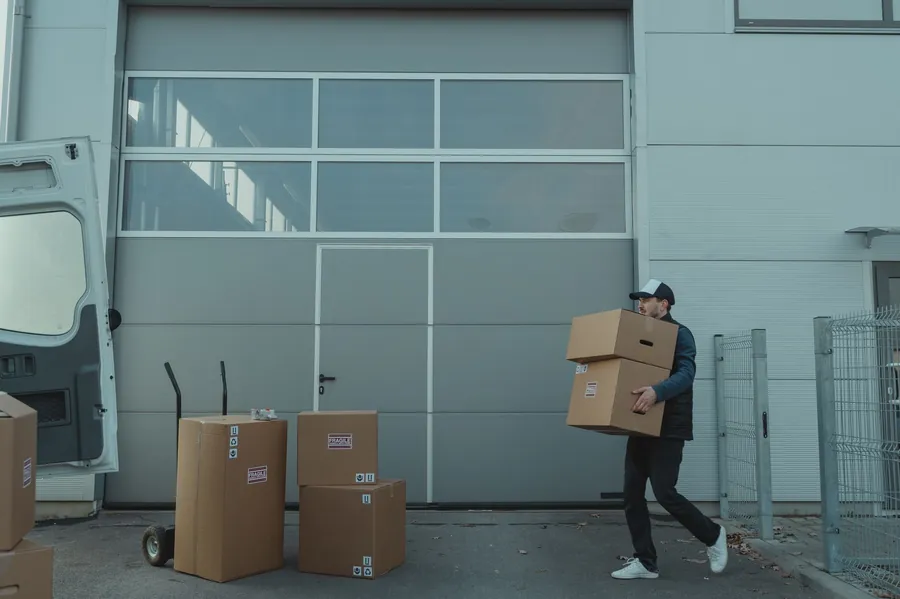
When an existing assembly is unsuitable for repair, installing a new garage door for a commercial vehicle bay provides an alternative matched to the facility’s requirements.