
Residential & commercial garage doors
Plan Ahead, Limit Interruptions
“All doors serviced” doesn’t describe the actual conditions properly to the facility manager. Commercial garage door maintenance in Fairfax, VA should identify each entrance’s condition, completed work, and concerns requiring follow-up.
Commercial garage door maintenance includes inspecting springs, cables, hinges, rollers, tracks, and operating hardware for wear or damage. Appropriate lubrication, fastener checks, and testing of applicable safety devices help assess equipment condition. Service requirements depend on the manufacturer’s instructions, operating frequency, and exposure to moisture, dirt, or other environmental conditions.
A vehicle service facility may operate its main entrance dozens of times daily while opening a secondary equipment bay only occasionally. Although both doors have similar sectional hardware, their wear patterns may differ. Commercial garage door maintenance in Fairfax, VA should account for individual door usage while following the applicable manufacturer’s service requirements.
Environmental exposure creates another distinction. A fleet garage in Vienna might have one door facing a frequently washed vehicle area and another opening into dry equipment storage. Moisture, cleaning residue, and road salt can affect hardware conditions differently. Businesses managing several entrances can coordinate commercial overhead and garage door servicing while keeping each door’s maintenance requirements separate.
Wear becomes more meaningful when its progression is understood. A roller bearing showing minor deterioration during one inspection may require closer attention at the next. Repeatedly loosening hinge fasteners, developing cable wear, or increasing corrosion can indicate conditions needing corrective work rather than another routine lubrication visit.
Changes in operation deserve equal attention. A door that begins making unfamiliar noises or develops inconsistent movement may have hardware problems that are not immediately obvious. Recorded observations help distinguish developing wear from a newly damaged component. The purpose is to identify problems early without treating every ordinary sign of use as a major repair.
A record of previous findings gives later inspections a useful reference. It also helps separate routine wear from a condition requiring immediate attention, particularly when several employees operate the same garage entrance throughout the day. For commercial garage door maintenance in Fairfax, VA, Metro Garage Doors focuses on the condition and servicing requirements of the installed equipment. Previous findings, manufacturer instructions, and current hardware conditions help determine what deserves attention during a maintenance visit.
Commercial sectional doors contain moving connections that require manufacturer-specified care. Hinges, applicable roller bearings, springs, and bearing plates may have different lubrication requirements. The correct lubricant, application points, and service interval depend on the installed equipment. Coating track running surfaces with grease or applying lubricant indiscriminately is not a substitute for proper maintenance.
Lubrication also cannot correct mechanical deterioration. A roller with a damaged bearing, a frayed lifting cable, or a cracked hinge needs assessment beyond routine servicing. Similarly, photoelectric sensors and sensing edges require functional attention rather than lubrication. Maintenance should identify defective components instead of temporarily masking symptoms with additional lubricant.
Step 1
Available service information, recurring concerns, manufacturer instructions, and door identification details provide context before the current equipment condition is evaluated.
Step 2
Springs, cables, rollers, hinges, tracks, supports, and operating equipment are examined for visible deterioration, damage, and other conditions affecting their intended function.
Step 3
Manufacturer-specified lubrication and suitable routine maintenance are carried out where required. Damaged tensioned components and other hazardous conditions receive qualified technical attention.
Step 4
Completed servicing, relevant inspection findings, and concerns requiring additional work are identified so the facility understands what was addressed and what remains outstanding.
An inspection may uncover several conditions with different levels of urgency. A dry hinge may require routine lubrication, while a worn roller deserves monitoring or replacement. A damaged lifting cable creates a different concern entirely. Treating these findings as equivalent makes it harder for a business owner to prioritize corrective work.
The value of commercial preventive maintenance lies partly in distinguishing what was serviced from what still needs attention. Inspection findings should identify significant defects without implying that every replacement is included in a routine appointment. Equipment presenting an unsafe condition must remain out of operation until appropriately addressed.
Routine servicing may include appropriate lubrication, hardware inspection, and applicable operating checks. The completed work should be distinguishable from items only examined or recommended for repair.
Developing corrosion, worn rollers, deteriorating seals, and loose hardware deserve specific attention. Their condition helps determine whether monitoring or corrective work is appropriate.
Damaged operators, defective controls, and unsafe lifting components may require commercial garage door repair beyond scheduled servicing. Repair requirements should be identified separately from routine maintenance.
Manufacturer instructions, door usage, environmental exposure, and observed deterioration help inform future maintenance planning. Frequently operated entrances may require attention sooner than lightly used equipment.
Maintenance frequency depends on manufacturer instructions, operating cycles, environmental exposure, and equipment condition. Some commercial door manufacturers recommend inspection and lubrication quarterly or every 5,000 cycles for applicable products. Those intervals are not universal. Frequently operated doors should follow their specific maintenance requirements, with additional attention when operating conditions justify it.
Preventive maintenance generally covers specified inspections, lubrication, and routine servicing. Replacement of damaged springs, cables, rollers, operators, or other components may involve additional work. The actual service scope depends on the agreed appointment or contract. An inspection should distinguish routine maintenance items from repairs requiring separate authorization and replacement parts.
Employees can report unusual noises, visible damage, deteriorating seals, and changes in door operation from a safe location. They should not adjust torsion springs, lifting cables, bottom brackets, or other tensioned hardware. Businesses can establish a reporting procedure for suspected problems while leaving mechanical adjustments and required safety testing to qualified personnel.
Wash-bay entrances experience moisture, cleaning chemicals, and humidity that can accelerate corrosion or affect certain components. A dry storage-bay door may face fewer environmental demands. Hardware finishes, weather seals, roller condition, and manufacturer cleaning instructions become especially relevant in wet areas. Maintenance planning should reflect these differences without disregarding required service intervals.
A useful maintenance record identifies the door and service date, describes inspection findings, lists completed maintenance, and notes components requiring further attention. Relevant operating or safety checks should also be distinguishable from repairs not yet performed. Consistent door identification helps facility managers compare findings across visits, especially when several entrances share similar equipment.
Comparing inspection findings can reveal differences in operating frequency, corrosion exposure, roller wear, hardware condition, and recurring service issues. Identical-looking doors do not necessarily experience identical loads or environments. Maintenance observations help establish whether accelerated wear relates to usage, component condition, or a problem requiring more detailed technical assessment.
One garage entrance or several service bays? Tell Metro Garage Doors how many commercial doors your facility operates and which receive the heaviest use. Call (703) 944-0855 to discuss maintenance requirements and scheduling. From individual automotive workshops to multi-bay commercial facilities, our service area covers:
We’re available 24/7 for your assistance!
Prefer to talk?
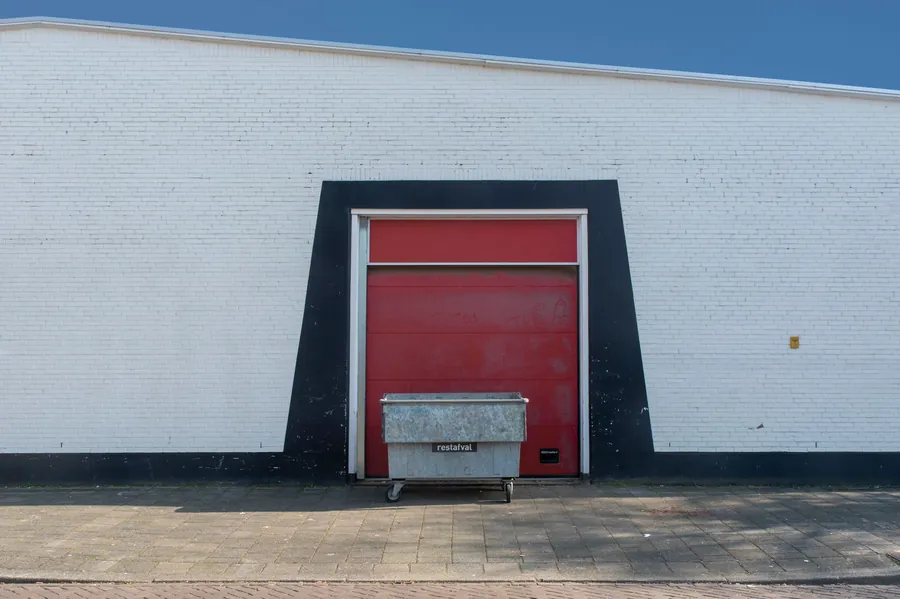
Industrial entrances with damaged lifting assemblies, tracks, or sectional hardware may need repairs to warehouse overhead doors rather than routine lubrication or adjustment.
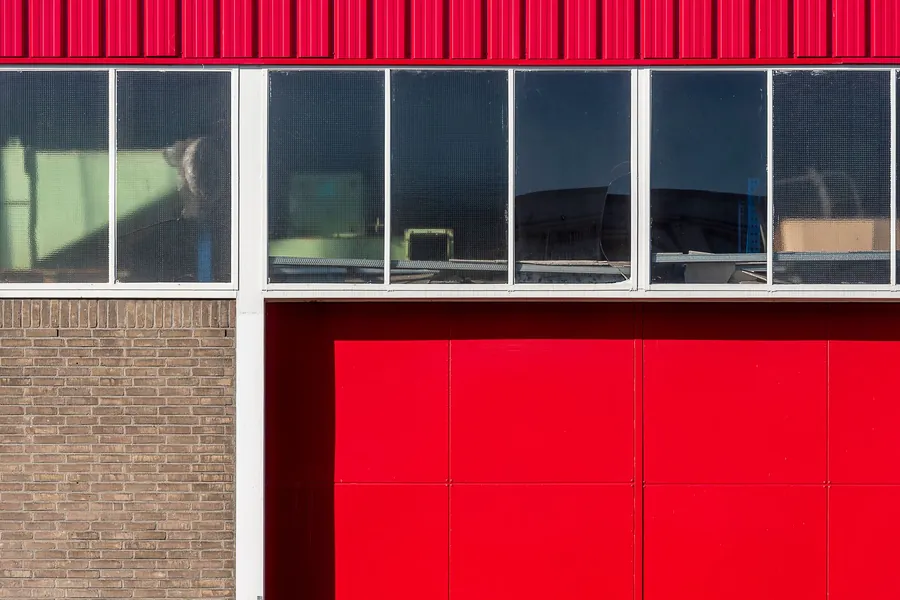
When deterioration makes continued repair impractical, installation of a replacement commercial garage door provides an opportunity to select equipment suited to the facility’s requirements.
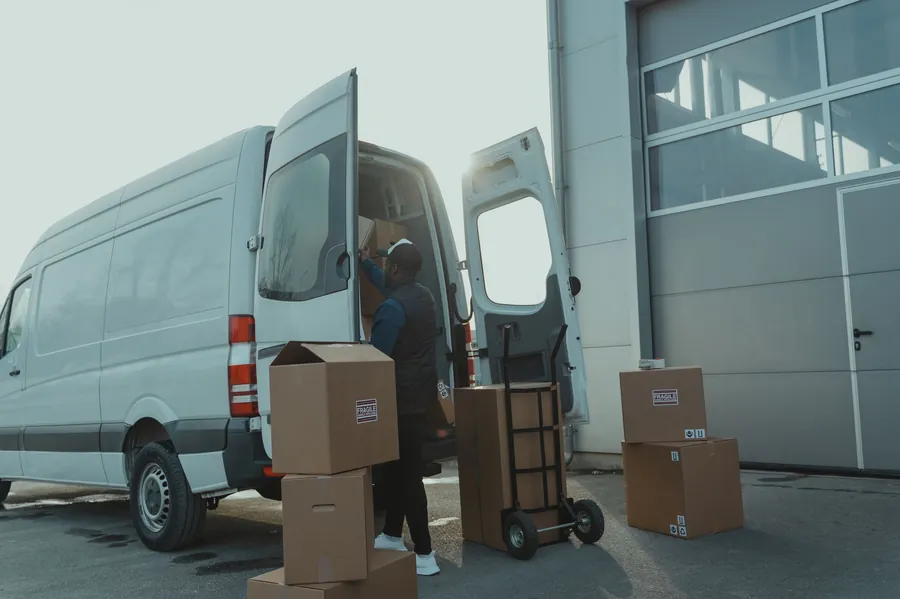
Impact damage, torn hinge attachments, or distorted sections may require replacement of individual commercial garage door panels when compatible components remain available.

Worn rollers, defective operators, damaged cables, and failed protective devices require appropriate corrective work. Routine maintenance alone does not restore defective equipment.