
Residential & commercial garage doors
A Smoother Daily Routine
Garage door rattling, squeaking, or shaking during operation? Schedule a garage door tune-up in Fairfax, VA to address dry moving parts, loose hardware, and correctable travel problems.
A garage door tune-up addresses correctable operating problems such as dry hinges, loose non-tension fasteners, minor hardware movement, and friction at specified lubrication points. Technicians locate the source of noise or resistance, perform appropriate servicing, and check whether the door moves more smoothly afterward. Damaged parts require separate repairs.
A sectional garage door changes direction as its rollers travel from vertical tracks through the curved sections and into the horizontal tracks. Hinges allow neighboring panels to pivot during that movement. Dry bearings, loose fasteners, and worn contact points interrupt smooth travel at different locations, creating noises that change as the door opens or closes.
The timing of those sounds provides useful information. Squealing near the bottom of the opening differs from rattling as panels pass through the curved track. Vibration during overhead movement points attention toward rollers, hinges, brackets, or supporting hardware in that area. A tune-up focuses on correcting the actual source rather than treating every component identically.
A garage door tune-up in Fairfax, VA begins with the operating complaint. Rattling during the first few feet of movement, squealing through the curved tracks, and vibration near the fully open position point to different hardware. Identifying where the problem occurs helps distinguish ordinary friction and loose fasteners from damaged components.
In an attached garage near Pickett Road, rattling through the curved track might echo into rooms beside or above the garage. A dry hinge pivot, loose fastener, and damaged roller require different corrective work. When the door drops unexpectedly, binds severely, or fails a protective function, a garage door safety inspection takes priority over routine adjustments.
A tune-up corrects operating conditions that respond to appropriate lubrication, ordinary fastener tightening, cleaning, or permitted adjustments. Dry hinge pivots receive suitable lubricant, accessible loose hardware is secured, and debris is removed from areas where it interferes with roller movement. The work targets correctable friction and vibration rather than replacing parts unnecessarily.
Metro Garage Doors separates these adjustments from damaged hardware requiring repair. A cracked roller, bent track, broken hinge, frayed cable, or failed spring needs more than lubrication or tightening. Continuing to operate damaged components increases the risk of additional problems, so the affected part is identified for the appropriate repair before normal operation resumes.
Step 1
We operate the door and trace rattling, squealing, or vibration to specific hinges, rollers, brackets, or travel positions.
Step 2
Suitable lubricant is applied to approved moving parts, while dirt and debris are cleared from affected contact areas.
Step 3
Accessible non-tension fasteners are secured, and permitted adjustments are completed without disturbing loaded springs, cables, or bottom brackets.
Step 4
We operate the door again, checking whether the original noise, vibration, resistance, or hesitation remains after servicing.
A structured garage door tune-up in Fairfax, VA focuses on the original noise or movement complaint, with operating checks before and after appropriate servicing. Different garage door components require different treatment. Applying grease to every visible surface creates unnecessary buildup and attracts debris. A useful tune-up follows manufacturer lubrication recommendations, distinguishes ordinary hardware from tension-bearing attachments, and identifies mechanical defects that adjustments will not correct. The objective is improved movement without masking damaged parts.
Hinge pivots and specified bearings receive suitable products. Sealed components and manufacturer-restricted surfaces are not coated simply because they move during operation.
Ordinary hardware receives appropriate tightening, while spring anchors, cable drums, and bottom brackets remain untouched unless handled during qualified high-tension repair work.
Track interiors are checked for dirt and debris. Heavy grease is avoided because buildup interferes with smooth roller travel.
A door that drops, rises unexpectedly, or feels excessively heavy needs counterbalance attention. Routine garage door maintenance also addresses ongoing lubrication and hardware care.
Lubricating hinges only addresses friction at those joints. Noise also originates from worn roller bearings, loose brackets, damaged hinges, track contact, or opener drive components. The location and timing of the sound help identify the responsible part. Continued grinding or knocking deserves inspection rather than repeated lubricant application.
A tune-up addresses shaking caused by correctable friction, loose ordinary hardware, or minor operating irregularities. Jerky movement caused by bent tracks, damaged rollers, failing hinges, or counterbalance problems requires specific repair. The door’s movement is checked before servicing to determine whether adjustments address the original complaint.
Spring tension involves significant stored energy and requires qualified technicians, proper tools, and the correct procedure for the installed spring system. A routine tune-up does not automatically include spring adjustment. If balance testing identifies a counterbalance problem, the required spring work is assessed separately before further operation.
Pricing depends on the door configuration, service tasks, and whether damaged components require additional work. Lubrication and ordinary hardware adjustments differ from replacing rollers, hinges, tracks, or springs. A service assessment establishes which operating problems belong within the tune-up and which require separate parts or repair labor.
Follow manufacturer lubrication recommendations, keep tracks clear of debris, and pay attention to new rattling, grinding, or changes in travel. Avoid adjusting springs or cable attachments yourself. Garage door preventive maintenance provides additional checks for developing wear between routine service appointments.
Squealing hinges, vibrating brackets, and rough roller movement deserve attention. Call (703) 944-0855 to schedule a tune-up and identify the source of the noise. Metro Garage Doors also handles damaged components that need physical replacement rather than lubrication, cleaning, or ordinary adjustments.
We’re available 24/7 for your assistance!
Prefer to talk?

Cracked wheels, seized bearings, or damaged stems require garage door roller replacement when lubrication no longer restores proper movement.

Bent hinge plates, cracked mounting points, or broken section connections require garage door hinge replacement.
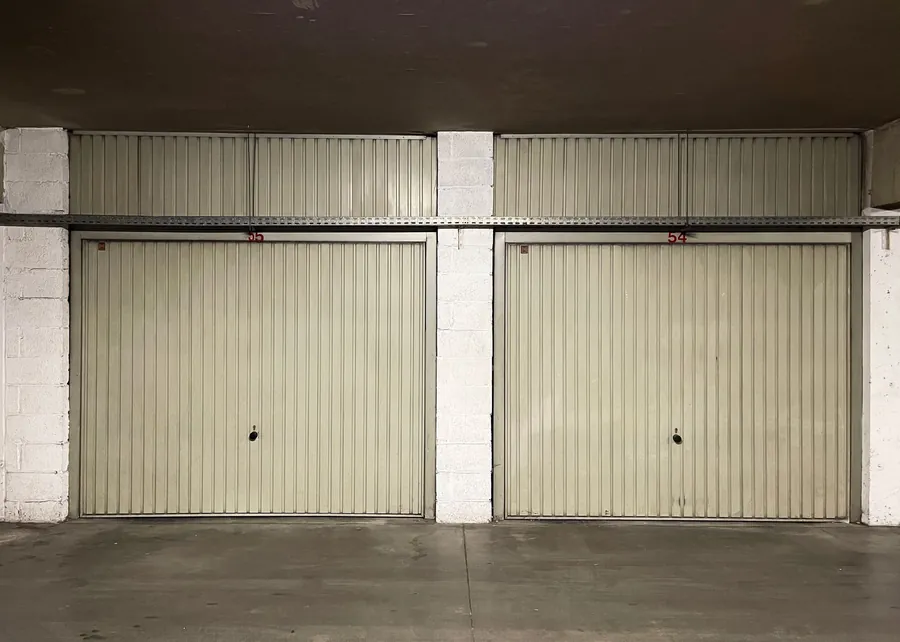
Deformed rails, damaged mounting points, or restricted roller clearance require garage door track replacement when ordinary adjustments cannot restore proper travel.
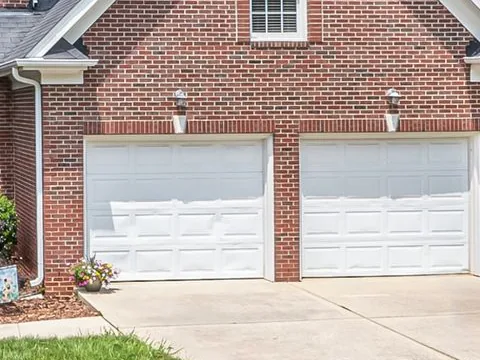
Broken coils, failed counterbalance, or damaged spring hardware require qualified garage door spring replacement rather than a routine tune-up.