Residential & commercial garage doors
Small Signs, Smart Service
The door still opens, but that scraping sound keeps getting louder. Our garage door services in Burke, VA cover maintenance, repairs, opener problems, new installations, and replacement needs.
Over time, a garage door can grow louder without showing obvious damage. Rollers may stop turning smoothly, hinges can loosen, and the bottom seal may begin to split. Routine servicing focuses on these changes and manufacturer-recommended checks that help homeowners understand the condition of their existing equipment.
Some problems need more than routine maintenance. Broken springs, frayed cables, bent tracks, and malfunctioning openers require proper diagnosis and repair. When several door sections are deteriorating, or the assembly is no longer suitable for continued use, replacement becomes another consideration. The decision depends on the actual equipment condition.
New installations and opener upgrades offer different benefits for property owners. Updated door designs, compatible motors, and replacement hardware can improve everyday operation when properly selected and installed. Beyond residential garages, commercial overhead doors require attention to operating frequency, clearance, lifting systems, and equipment suited to the building’s intended use.
Not every problem announces itself with a broken spring or a door that refuses to open. The first indication might be a new vibration during closing, metal scraping near the track, or daylight appearing beneath the bottom seal. These changes deserve attention because continued movement doesn’t establish that every component is functioning correctly.
Burke Center includes established residential neighborhoods such as the Commons, Landings, Oaks, Ponds, and Woods. Yet the condition of an individual garage door depends on its installation, daily use, and maintenance history rather than the neighborhood alone. Garage door services in Burke, VA help address wear, damaged components, and changing operating performance before additional problems develop.
Persistent squeaking, rattling, or scraping may indicate roller wear, loose hardware, or misalignment that requires inspection rather than repeated operation.
Jerking, binding, unexpected reversal, or a door that travels unevenly can indicate mechanical resistance or problems with its operating equipment.
Cracked bottom seals and damaged perimeter weatherstripping allow unwanted airflow and may contribute to water, dust, or pests entering the garage.
Not every garage door problem calls for replacement. Some equipment needs routine attention, while other faults require a specific repair or a new assembly. Find the appropriate service below.
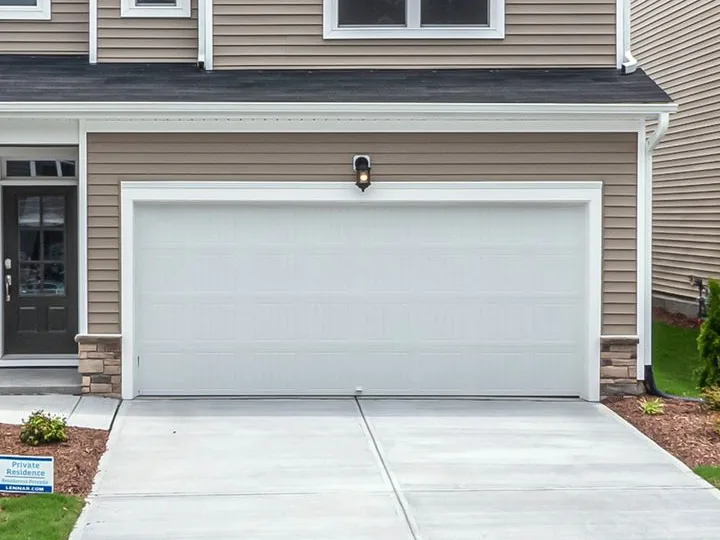
Getting louder with every cycle? Garage door maintenance helps identify wear and servicing needs before further deterioration.
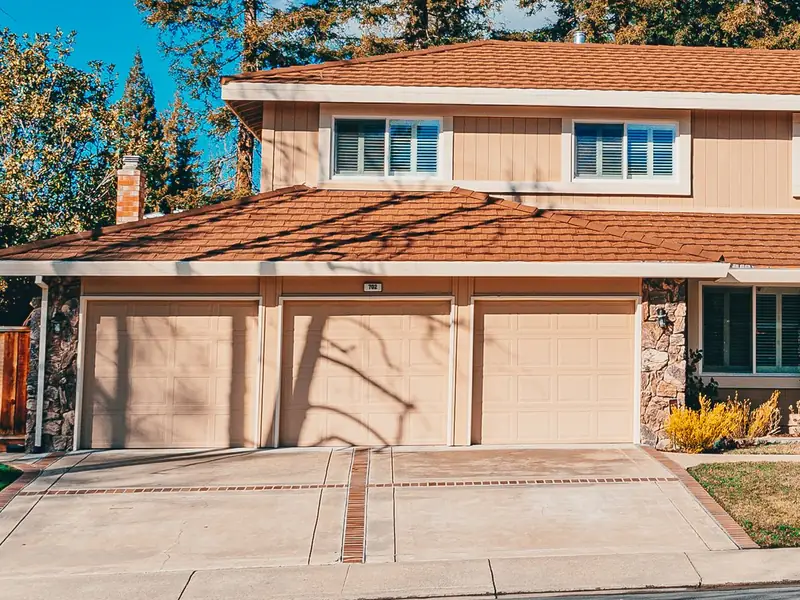
Broken cables or a crooked door require professional garage door repair, not another attempt to force movement.
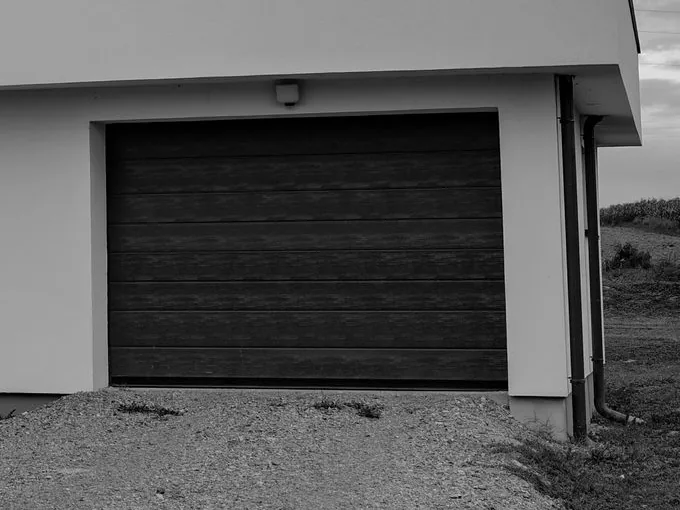
Ready for a replacement? Garage door installation brings together suitable door construction, lifting hardware, and fitting requirements.
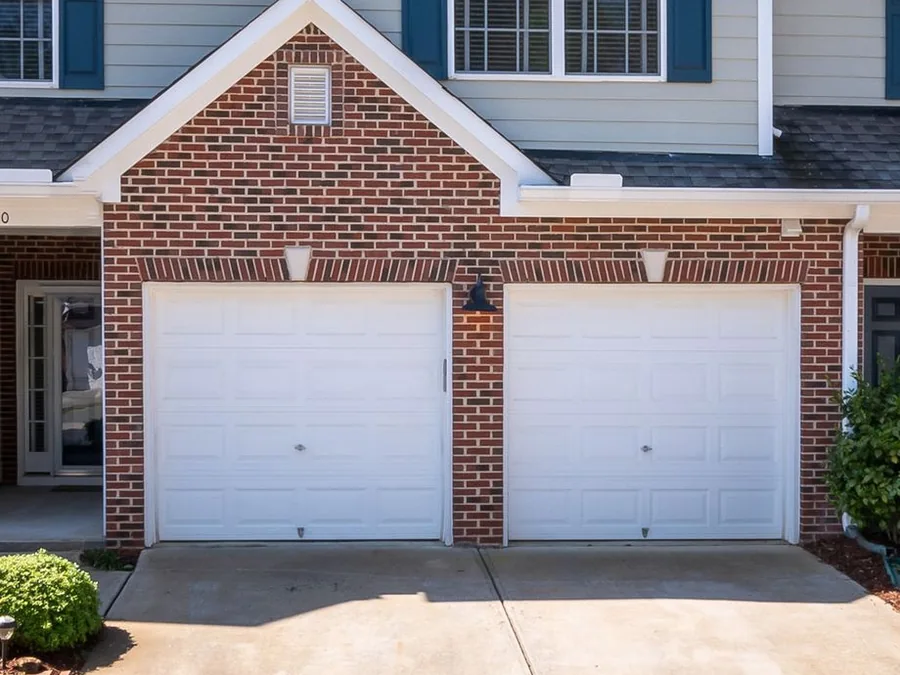
When powered operation becomes unreliable, garage door opener services help determine whether controls, drive components, or motors need attention.
A noisy residential door and a heavily used commercial overhead entrance don’t necessarily need the same work. Metro Garage Doors handles maintenance, repairs, and installations across different door systems, with service decisions based on the equipment involved.
A homeowner doesn’t need to dismantle a garage door to notice changes in its condition. Listening during normal operation, checking visible weatherstripping, and looking for obvious damage can help identify concerns. Regular visual checks are useful, provided they don’t involve handling tensioned hardware or attempting mechanical adjustments.
Garage door springs, lifting cables, and certain brackets carry substantial force. Repairs involving these components belong to trained technicians. Homeowners can follow their manufacturer’s guidance for routine observation and safety checks, but an unstable door, unusual movement, or damaged lifting hardware calls for professional inspection rather than experimentation.
Garage door springs are commonly rated for a certain number of operating cycles, with one cycle representing an opening and closing. Frequent daily use consumes those cycles more quickly. Actual spring life also depends on the spring specification, installation, corrosion, and operating conditions. A trained technician can assess deterioration.
Garage door tracks generally shouldn’t be coated with grease or lubricant because buildup can interfere with roller movement. Keep the tracks free of debris according to manufacturer instructions. Squeaking may originate from roller bearings, hinges, or other moving components that have different lubrication requirements. Persistent noise warrants inspection.
A cracked, flattened, or poorly fitted bottom seal can leave gaps that allow water to enter beneath a closed garage door. Uneven concrete, poor drainage, and water flowing toward the opening may also contribute. Replacing the seal helps only when its condition is part of the problem.
Normal movement doesn’t confirm that every spring, cable, roller, or bracket is free from wear. Regular inspection helps identify deterioration before obvious operating problems appear. DASMA recommends monthly owner safety checks and an annual inspection by a trained door systems technician, alongside the manufacturer’s model-specific maintenance instructions.
Rollers with cracked wheels, excessive wobble, damaged bearings, or bent stems generally require replacement rather than additional lubrication. Some noisy rollers need only manufacturer-recommended servicing, depending on their construction. The replacement must suit the door’s track and hardware. Damaged rollers should be examined before they cause further operational problems.
A scraping sound, worn hardware, or a door that’s no longer closing properly deserves attention. Find your location below and arrange the service that fits your garage door’s condition.
We’re available 24/7 for your assistance!