
Residential & commercial garage doors
Get Your Gate Rolling
One extra push on a jammed gate can bend another slat or strain its drive. For rolling gate repair in Fairfax, VA, have the obstruction assessed before using the entrance again.
Stop operating a rolling security gate when its curtain jams, hangs unevenly, or makes unusual grinding noises. Repeated attempts to raise or lower it can damage slats, guide rails, and operating components. Keep people clear of the affected opening and arrange a qualified inspection before attempting further movement.
Rolling security gates use connected slats or grille sections that move together through vertical guides. When one section bends or catches against a guide, the remaining curtain encounters resistance. Continued operating force can deform nearby slats, pull the bottom bar out of alignment, or strain connections between the curtain and its drive mechanism.
Different failures require different corrections. A displaced end lock, bent guide channel, damaged bottom bar, or counterbalance problem can interrupt curtain movement. When the gate begins binding against its supporting hardware, rolling gate repair in Fairfax, VA requires identifying the original obstruction before damaged components are repaired or replaced.
The first sign of trouble is often a gate that needs extra effort to open. One side starts lifting ahead of the other, the bottom bar tilts, or metal scrapes against a guide rail. These problems tend to worsen with repeated use, eventually leaving the curtain stuck halfway or placing unnecessary strain on the motor.
For a storefront along Little River Turnpike in Annandale, even a partially jammed gate can disrupt access to the business. Metro Garage Doors checks where the curtain catches, whether damaged slats are pulling it sideways, and whether the operating mechanism is contributing to the problem. The repair targets the faulty components instead of forcing the gate through another cycle.
A motor that hums or attempts to turn does not automatically require replacement. The curtain might be trapped inside a damaged guide, obstructed by a deformed slat, or unable to move because of a counterbalance or drive connection problem. Continuing to activate the operator against that resistance risks additional equipment damage.
The opposite condition also requires attention. A curtain without an obvious physical obstruction might remain stationary because of failed controls, damaged electrical components, or a defective operator. Identifying the difference prevents unnecessary motor replacement when the actual problem lies elsewhere. If the assembly is extensively damaged, rolling gate installation addresses the requirements for a replacement system.
Step 1
We assess the suspended curtain, identify immediate operating hazards, and establish appropriate precautions before examining damaged components or attempting movement.
Step 2
Curtain slats, guide engagement, bottom-bar position, barrel connections, and relevant operating equipment are inspected to locate the source of resistance.
Step 3
Damaged guides, slats, connections, or operating parts receive appropriate repair or replacement, with counterbalance work handled according to equipment safety requirements.
Step 4
After corrective work, we verify suitable curtain travel, opening and closing positions, operator response, and applicable protective functions without recurring interference.
When an existing curtain stops in an unsafe position, rolling gate repair in Fairfax, VA begins with securing the affected opening and determining what prevents normal movement. A rolling security gate moving again does not establish that every fault has been corrected. Recurring friction, uneven lifting, and incorrect stopping positions sometimes appear during subsequent operating cycles.
Metro Garage Doors checks the repaired assembly for consistent travel, suitable operating effort, and correct interaction between the curtain, guides, and drive equipment.
The repaired curtain must remain within its intended guide channels without catching, drifting, or placing excessive pressure on adjoining slat connections.
Counterbalance components need to be in suitable condition and adjusted for the installed assembly, preventing excessive operating resistance or uncontrolled curtain movement during qualified testing.
Powered rolling gates must stop at their intended positions without driving the bottom bar into the floor or pulling the curtain beyond its permitted travel.
Applicable safety devices, control functions, and operator protection features require testing according to the installed system's specifications and manufacturer instructions.
Keep people away from the suspended curtain and avoid attempting to force it into the closed position. Depending on the premises, temporary security arrangements might include an alternative secured entrance or authorized property security personnel. A qualified technician must assess the unstable gate before movement. Required emergency exits must remain accessible.
Coverage depends on the commercial property policy, the cause of damage, deductibles, and applicable exclusions. A damaged rolling security gate following forced entry may qualify under certain policies. Document the condition with photographs, preserve relevant incident records, and obtain a repair assessment. The insurer determines coverage and claim requirements.
A sudden bang near the barrel might indicate a counterbalance spring failure, damaged connection, or another mechanical fault. The sound alone cannot confirm the cause. Stop operating the gate and keep clear of its moving assembly. Counterbalance components store significant energy and require qualified inspection rather than attempted adjustment.
Repair work sometimes takes place during business hours when the affected opening can be isolated safely. The gate’s position, repair requirements, pedestrian traffic, and access to equipment determine whether operations can continue nearby. Required exits must remain available. Extensive curtain or counterbalance work may require temporarily closing the affected entrance.
Rain can introduce debris into guide channels, expose existing corrosion, or affect damaged electrical components in weather-exposed systems. Moisture alone does not identify the failure. An inspection should check guide obstructions, curtain condition, electrical enclosures, and operating equipment. Repeated sticking after rainfall warrants identifying the underlying defect.
Uneven closing may indicate bent curtain slats, damaged guide channels, or problems with the gate’s counterbalance system. One side may bind while the other continues moving, placing additional strain on the assembly. Avoid forcing the gate closed, as this can worsen the damage. Professional inspection can identify the source of misalignment.
A gate stuck halfway needs attention before another operating attempt damages the curtain or strains its drive system. Call (703) 944-0855 to discuss the failure and arrange an assessment.
We’re available 24/7 for your assistance!
Prefer to talk?

When extensive curtain or structural damage prevents reliable restoration, a replacement assembly needs appropriate opening dimensions, support hardware, and operating equipment.
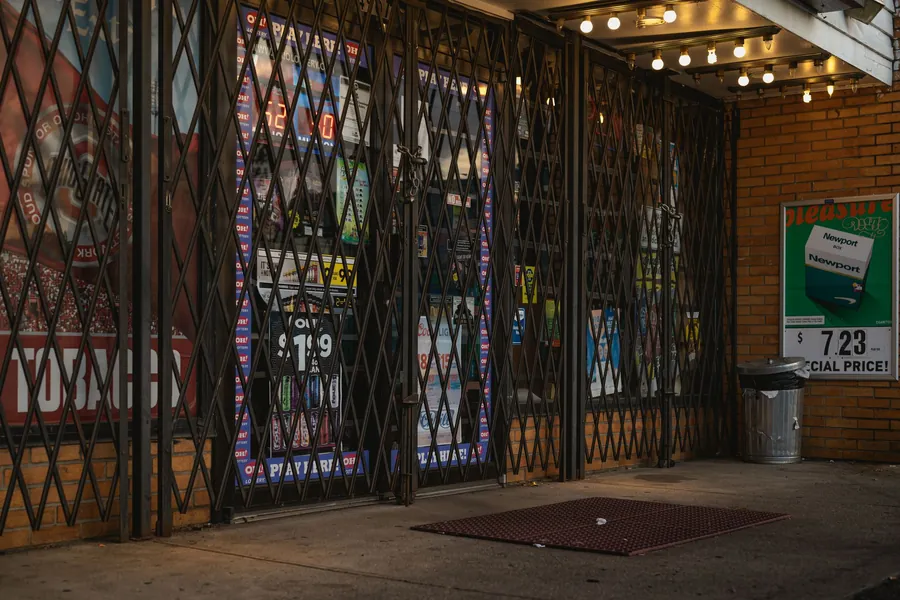
Retailers replacing an unsuitable security barrier can consider storefront roll-up gate installation for protection suited to their entrance and display areas.

Commercial openings requiring solid coverage can use rolling shutter installation for compatible shutter curtains, supporting assemblies, and operating mechanisms.
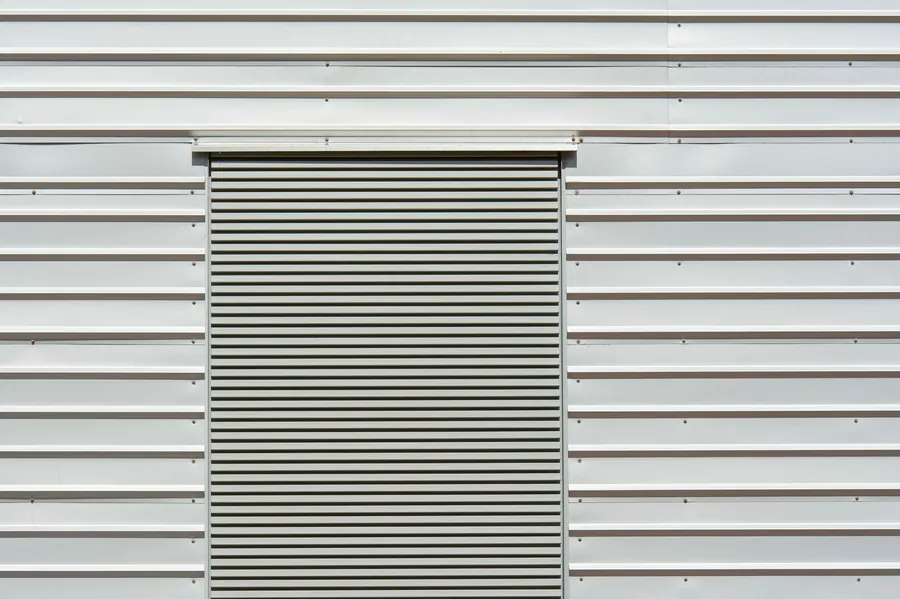
Our rolling gate and shutter services cover manual and powered security closures for storefronts, commercial entrances, and other secured openings.