
Residential & commercial garage doors
Bring the Power Back
Get garage door motor repair in Fairfax, VA when the opener hums, stalls, overheats, starts slowly, or struggles to move the trolley despite receiving power.
Motor trouble usually appears after the opener receives power and a command to run. Humming without rotation, slow starts, repeated stalling, overheating, or weak drive output point toward the motor, capacitor, internal gearing, or excessive load rather than a remote or keypad problem.
The opener motor converts electrical power into rotation. That rotation passes through gears, sprockets, a belt or chain, and the trolley before movement reaches the garage door. A motor that receives power but cannot start, maintain rotation, or transfer sufficient output leaves the opener running incorrectly even when the controls respond normally.
The motor also works against the resistance created by the door and drive assembly. A poorly balanced door, jammed trolley, damaged gear, or tight drive adds load before motor failure is confirmed. Metro Garage Doors separates motor output from surrounding mechanical resistance during garage door opener services.
Electrical faults affect whether the motor starts and continues running. A weakened capacitor reduces starting performance, damaged windings affect motor operation, poor electrical connections interrupt power delivery, and thermal protection shuts the unit down when operating temperature rises beyond its normal range.
Mechanical resistance creates a different problem. A stripped gear, worn sprocket, tight chain, jammed trolley, or heavy garage door forces the motor to work against extra load. Repair begins by separating an electrical motor fault from resistance elsewhere in the opener or garage door.
Garage door motor repair in Fairfax, VA starts by separating poor motor output from excessive mechanical load. A balanced door that moves freely by hand shifts attention toward the motor, capacitor, gears, or drive assembly. A door that feels unusually heavy points first toward springs, binding hardware, or another mechanical condition.
For example, a homeowner has an opener that hums when the wall control is pressed, but the trolley barely moves. Metro Garage Doors disconnects the opener and finds that the door itself feels excessively heavy. The spring and door hardware need attention before anyone condemns the motor.
Step 1
We confirm the opener receives electrical power and that the controls send a run command to the motor.
Step 2
Motor startup is checked for humming, delayed rotation, capacitor weakness, overheating, or failure to begin turning.
Step 3
Motor rotation, gears, sprockets, drive movement, and trolley response are reviewed to see where mechanical output stops.
Step 4
The garage door is checked separately for poor balance, binding, or excessive resistance that forces the motor to work too hard.
A humming or stalled opener does not prove that the motor itself has failed. Power delivery, capacitor condition, internal gears, sprockets, drive tension, trolley movement, and garage door balance all affect what the motor has to do. Checking those components first prevents a working motor from being replaced for a problem elsewhere.
Electrical supply and internal connections are checked before a no-start condition is assigned to the motor.
A weak or failed capacitor affects motor startup and deserves separate testing before the entire motor assembly is replaced.
Gears, sprockets, chain or belt hardware, and trolley movement are checked because the motor rotation still has to reach the door.
Spring balance and mechanical resistance are checked because an excessively heavy door forces the opener motor to work beyond normal load.
Humming shows that the opener is receiving power, but movement can stop at the capacitor, motor, internal gears, drive assembly, or trolley. A mechanically heavy garage door creates similar strain. The motor and the door need separate checks before the failed component is identified.
Yes. The capacitor helps the motor start under load. A weakened or failed capacitor can leave the motor humming, starting slowly, or failing to rotate. Capacitor condition should be checked alongside power delivery, motor windings, gears, and drive resistance before replacing the complete opener.
Excess heat can develop from repeated cycling, internal electrical problems, excessive door resistance, tight drive hardware, or a motor working against an abnormal load. Thermal protection may stop operation until the unit cools. Repeated overheating requires the motor and the load placed on it to be checked.
A poorly balanced garage door forces the motor and drive assembly to work against weight that the spring system normally counterbalances. That extra load increases strain on gears, sprockets, the trolley, and motor components. The door balance should be corrected instead of relying on the opener to lift excessive weight.
Motor repair makes sense when the fault is limited, and the opener’s controls, rail, drive components, and compatible parts remain serviceable. If the unit also has repeated electronic, gear, control, or compatibility problems, garage door opener replacement becomes a separate consideration.
Metro Garage Doors provides garage door motor and opener service throughout Fairfax and nearby Northern Virginia communities. If the opener receives power but struggles to start, loses output, or shuts down during operation, call (703) 944-0855 to have the motor, capacitor, gears, drive hardware, and garage door load checked together.
We’re available 24/7 for your assistance!
Prefer to talk?
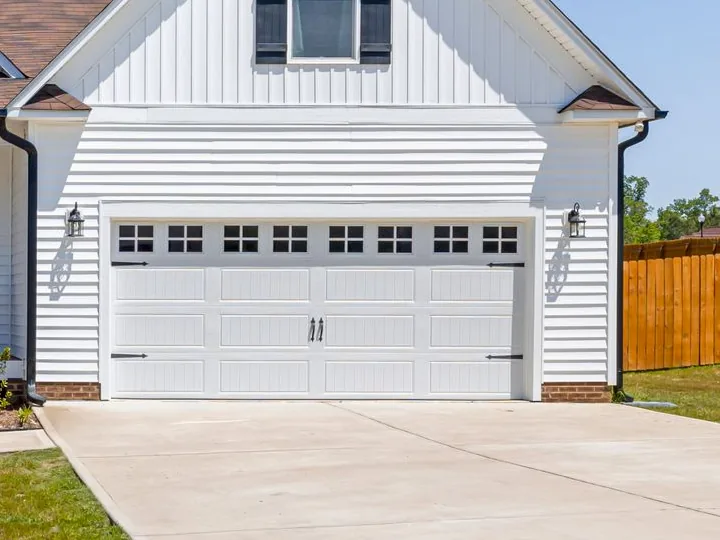
If the motor produces normal output but a gear, trolley, board, receiver, or control fails, garage door opener repair addresses that component.
If the motor and drive work but the door reverses during closing, garage door sensor repair checks the photo-eye safety system.
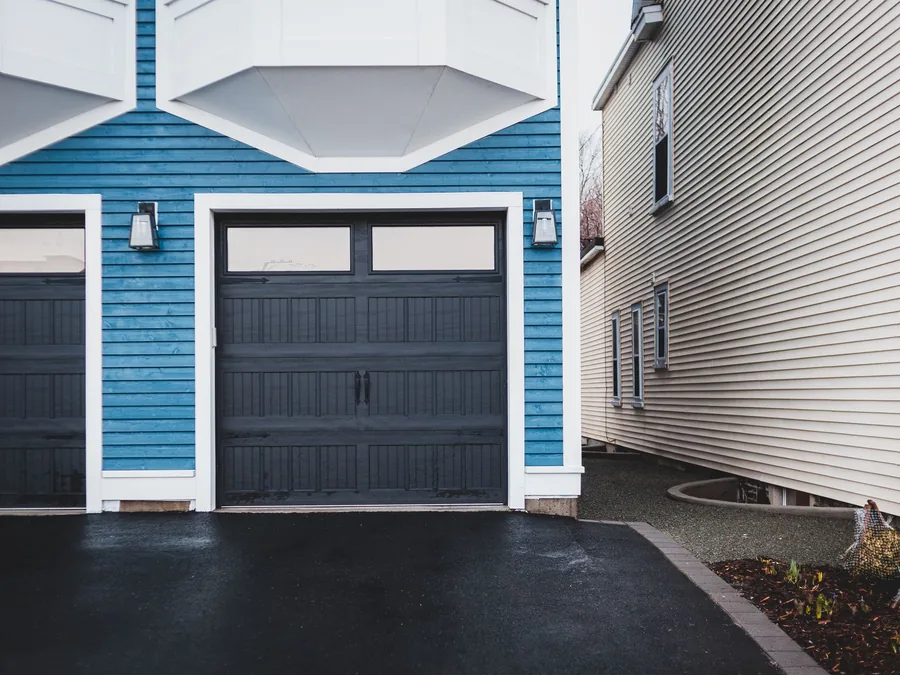
If motor failure appears alongside repeated control, drive, or electronic problems, garage door opener replacement covers a complete unit change.
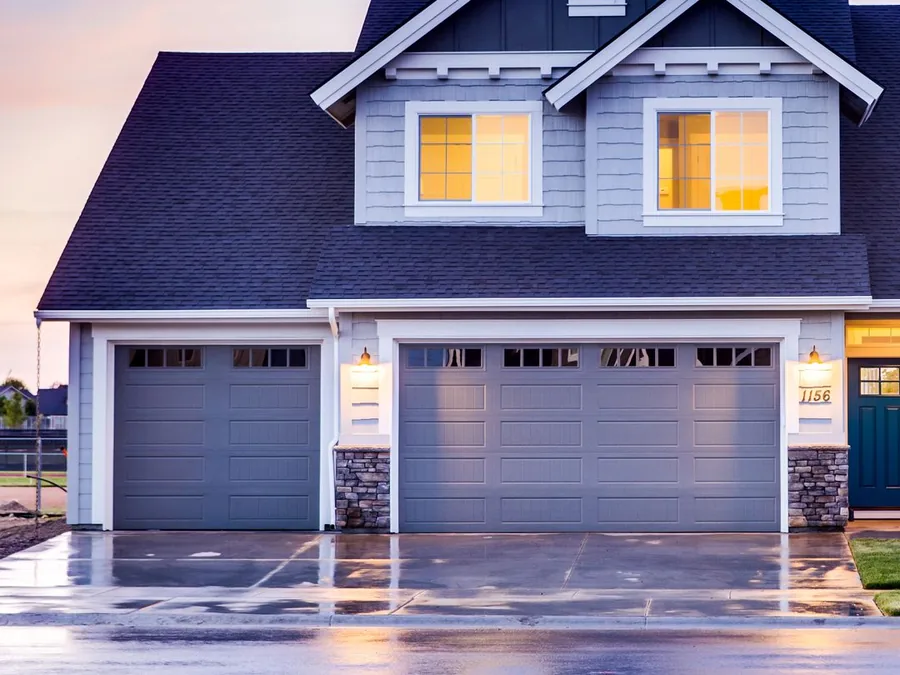
If the garage has no powered opener installed, garage door opener installation adds a compatible motor, drive, controls, and safety equipment.