
Residential & commercial garage doors
Working Doors, Working Days
A loading bay sits unused when its overhead door won’t open. Metro Garage Doors provides commercial garage door services in Fairfax, VA for facilities needing installation, repairs, and scheduled maintenance.
Commercial overhead doors need immediate attention when damaged components make operation unsafe or leave essential bays inaccessible. Broken lift cables, counterbalance failures, displaced tracks, and unstable door sections require qualified inspection. Other work, including new installations, panel replacements, and routine maintenance, can be planned according to the facility’s operating requirements.
A warehouse with several loading doors may depend on each opening for a particular delivery route or vehicle position. When one overhead door stops working, incoming trucks need another place to unload. That can interrupt loading schedules, reduce available dock positions, and create additional movement around the remaining operational bays.
Not every commercial door sees the same amount of use. A warehouse entrance opened throughout the day places different demands on its springs, rollers, hinges, and operator than an equipment-storage door used occasionally. Facilities expanding their operations may also require new overhead doors for warehouse loading bays with lift arrangements suited to the building. Work on a warehouse overhead door needs to account for the vehicles, equipment, and employees using the surrounding space. The affected bay and its operating conditions help establish the requirements.
A broken lift cable or displaced roller can leave a commercial sectional door hanging unevenly, making further operation dangerous. The affected bay must remain out of use until qualified personnel assess the door. A failed operator presents a different problem, particularly when the door’s mechanical components remain intact, but powered operation has stopped.
At a fleet maintenance facility in McLean, one overhead door might provide the only suitable clearance for a taller service vehicle. If that opening becomes unavailable, the facility loses access to the equipment behind it even while other bays remain operational. This makes the door’s function important when deciding which work needs attention first.
Certain door problems leave little room for continued use. Broken cables, damaged spring assemblies, or severely displaced tracks can compromise the door’s support and movement. These conditions require qualified assessment before operation resumes. Facilities dealing with such failures need repairs to the affected commercial overhead door rather than another attempt to operate damaged equipment.
Other concerns develop gradually. Weather seals deteriorate, rollers wear, and frequently operated doors begin showing changes in movement or noise. These conditions deserve attention before they interfere with access. Planned maintenance for commercial garage doors helps facilities identify wear and organize routine work around operating demands. Doors that no longer accommodate the required vehicles may need replacement planning.
Step 1
We establish which opening needs attention, how frequently the door operates, the vehicles using it, and the symptoms reported by facility staff.
Step 2
Door conditions involving damaged lifting hardware, unstable sections, or displaced tracks are identified so the affected opening remains out of operation when necessary.
Step 3
The required installation, repair, or maintenance work is performed with attention to equipment access, surrounding work areas, and the existing door configuration.
Step 4
After service, we check appropriate door movement, operating controls, and applicable safety functions before confirming that the affected entrance is ready for normal operation.
A commercial overhead door operates alongside loading equipment, shelving, parked vehicles, and employees moving through the building. These surrounding conditions matter when selecting replacement components or planning installation work. For facilities requesting commercial garage door services in Fairfax, VA, the usable opening and expected operating cycles deserve attention alongside the door’s mechanical condition.
The fully raised door must provide sufficient clearance for the intended vehicles. Track arrangements, door dimensions, and overhead obstructions affect the available passage height.
Door sections and operating hardware must avoid interference with nearby dock equipment, vehicle restraints, and structural features. Each system retains its own operating requirements.
Springs, hinges, rollers, tracks, and operators need specifications suited to the door's weight and expected operating frequency, particularly at frequently used commercial entrances.
Commercial operators and protective devices require appropriate function checks. Damaged springs, lift cables, and counterbalance components need qualified handling because of stored mechanical energy.
Other bays may remain operational when the repair area can be separated safely from employees, vehicles, and loading activities. The damaged door’s position, equipment access, and nature of the work determine the restrictions needed. Repairs involving suspended sections or counterbalance components require particular precautions around the affected opening.
A frayed lift cable indicates deterioration in a component responsible for supporting and moving the door. Continued operation risks cable failure, uneven lifting, or uncontrolled door movement. Stop using the affected door and arrange a qualified inspection. Lift cables operate under substantial tension and should not be adjusted or replaced by untrained personnel.
Identify the affected bay, describe the malfunction, and provide the door’s approximate size and type when known. Photographs of visible damage, the operator model, and information about recent failures also help. Mention whether the opening serves deliveries, fleet vehicles, or essential equipment so the service requirements are understood.
Individual sectional panels are sometimes replaceable when compatible sections remain available, and adjacent components are undamaged. A forklift impact can also bend hinges, distort tracks, or damage panel connections. Inspection must establish whether the remaining door assembly is suitable for continued use before selecting a replacement section or recommending broader repairs.
High-use doors typically accumulate operating cycles faster than occasionally used storage entrances. Inspection frequency should reflect the manufacturer’s recommendations, spring-cycle specifications, operating environment, and observed wear. Facilities with repeated daily deliveries benefit from tracking door usage and service findings rather than applying an identical maintenance schedule to every opening.
Scheduling depends on the repair requirements, equipment condition, contractor availability, and access needed around the opening. Routine maintenance or planned replacement work may be coordinated with lighter operating periods. An unsafe door must remain out of service regardless of delivery schedules. Facility managers should communicate access restrictions and operating priorities when arranging work.
A disabled loading bay affects the work behind it. Whether your facility needs a repair, replacement, or scheduled upkeep, discuss commercial garage door services in Fairfax, VA, at (703) 944-0855. Our coverage includes commercial overhead door service in McLean, VA, and surrounding communities.
We’re available 24/7 for your assistance!
Prefer to talk?
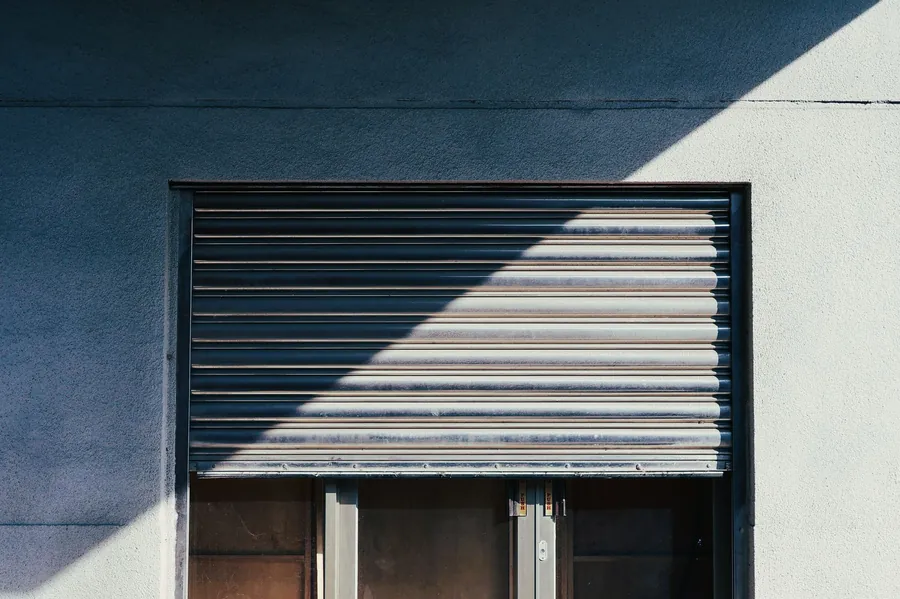
Businesses adding vehicle service bays or enclosed parking areas can arrange new sectional garage doors for commercial buildings with suitable dimensions and operating hardware.
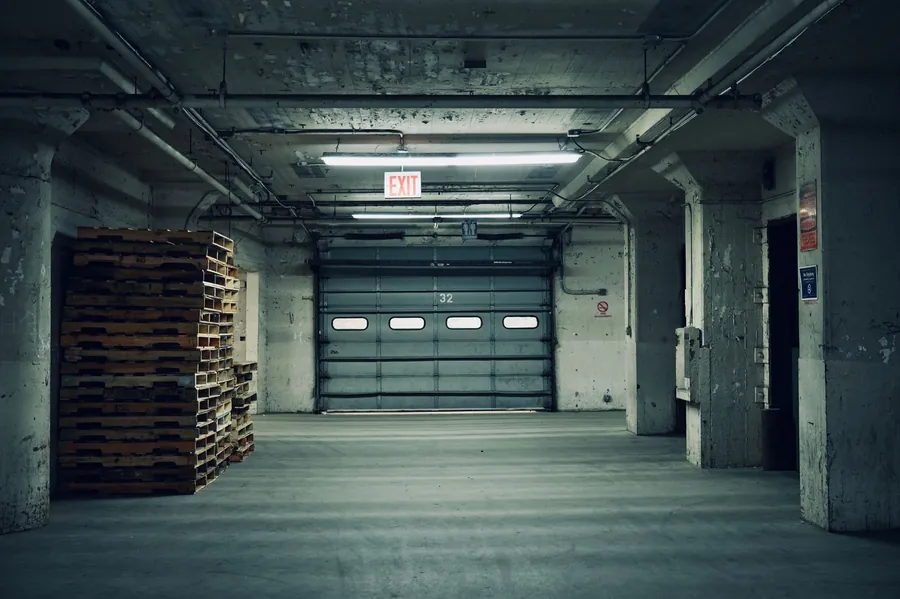
Damaged panels, failed rollers, broken springs, and malfunctioning openers may require repairs to existing commercial garage doors when the remaining assembly is serviceable.
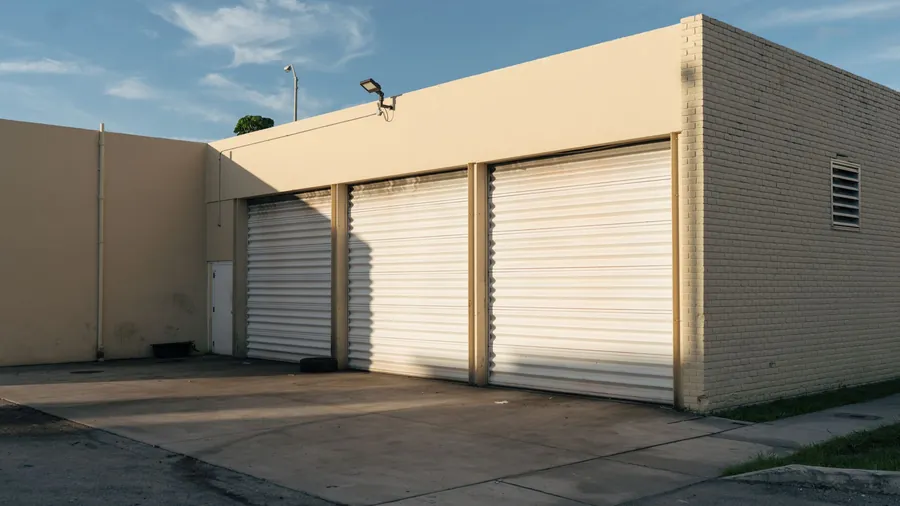
Warehouses and loading facilities need overhead doors suited to vehicle clearance, opening frequency, available headroom, and the surrounding work environment.
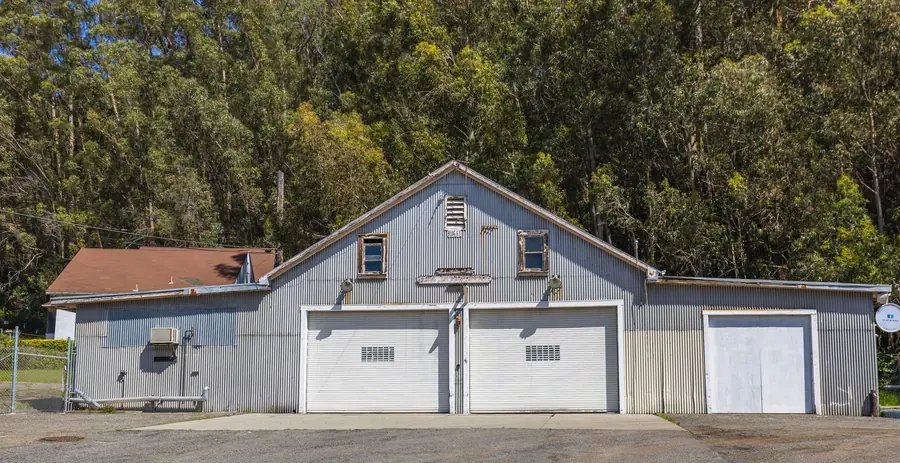
Facilities operating several overhead doors benefit from recording recurring faults, monitoring component wear, and arranging inspections according to actual door usage.