
Residential & commercial garage doors
Replace the Damaged Section
A new door isn’t always the answer to one crushed section. For businesses considering commercial garage door panel replacement in Fairfax, VA, finding a compatible match matters as much as removing the damage.
A single commercial garage door section can often be replaced when a compatible panel remains available, and the surrounding assembly is structurally suitable. The replacement must match the existing door’s construction, dimensions, joint profile, and hardware requirements. Extensive damage, discontinued models, or incompatible components may make complete door replacement a better option.
Commercial sectional garage doors consist of connected horizontal sections that travel together along a track system. Damage to one section doesn’t automatically make the entire assembly unusable. When the adjoining panels, tracks, counterbalance components, and supporting hardware remain serviceable, replacing the affected section may preserve much of the existing door.
The decision also involves replacement-part availability and installation costs. An individual section may be less expensive than a complete door, but specialized construction, unavailable components, or extensive adjoining damage can change the comparison. Commercial facilities with other equipment problems may also need garage and overhead door services for business properties beyond the affected panel.
A shallow dent in the outer steel face may have little effect on a section’s structural performance. A deep crease, torn hinge attachment, crushed insulated core, or distorted section edge presents a different concern. Damage near the meeting joint can also interfere with how adjoining sections articulate during opening and closing.
Consider a hypothetical service garage in Burke where a vehicle bumper strikes an intermediate door section. The damaged panel may need replacement even if the surrounding sections appear intact. However, displaced brackets or bent hinges could require repairs to the commercial garage door’s connected hardware before the assembly is suitable for normal operation.
Visible dents alone don’t establish whether a section can be retained. The condition of its joints, reinforcement, and attachment points helps determine whether cosmetic correction, individual-section replacement, or more extensive work is appropriate. Metro Garage Doors begins with identifying the existing door and establishing whether a suitable replacement section is available. This helps distinguish a practical section replacement from a situation requiring a different repair decision.
Two commercial garage door panels can share identical measurements across the opening while having different edge profiles, insulation thicknesses, reinforcement patterns, and hinge attachment locations. These differences affect how sections connect and move together. Commercial garage door panel replacement in Fairfax, VA requires identifying a compatible section rather than selecting a visually similar panel based on width alone.
Appearance adds another consideration. An original replacement section may have the correct construction but look different beside older panels exposed to years of sunlight and weather. Discontinued finishes can make matching harder. Manufacturers may also restrict interchangeability between door models, even when their sections have similar dimensions. Compatibility takes priority over an approximate visual match.
Step 1
Available manufacturer labels, model information, section dimensions, construction, and panel position help establish which replacement components belong to the existing commercial door.
Step 2
The required section is checked for manufacturer-approved compatibility, suitable construction, available finishes, and any associated hardware needed for installation.
Step 3
Qualified technicians remove the affected section and install the compatible replacement, retaining serviceable adjoining components where their condition and manufacturer requirements permit.
Step 4
Section alignment, hinges, rollers, reinforcement, and door movement are checked. Changes affecting door weight or counterbalance also require appropriate evaluation before normal operation.
The position of a damaged section influences the hardware attached to it. A top panel may carry operator reinforcement, while the bottom section includes components associated with the closing seal and lifting cables. Intermediate panels have different connections. Identifying the section’s position is therefore essential when determining replacement requirements.
The upper section may carry top roller fixtures, operator attachment brackets, and reinforcement hardware. Its replacement must accommodate the manufacturer's specified connections and support requirements.
Intermediate panels connect through hinges and shaped section edges. Compatible profiles and attachment locations allow the adjoining sections to articulate correctly during movement.
The lowest panel commonly carries the bottom seal, retainer, and cable-connected fixtures. These attachments require professional handling because the lifting system contains hazardous spring tension.
Larger commercial doors may use horizontal reinforcement struts to resist specified loads. Replacement sections must preserve the reinforcement arrangement required for the door's design.
A panel from another manufacturer should not be considered interchangeable solely because its width and height match. Section joints, thickness, hinge positions, reinforcement, and structural specifications may differ. Replacement requires documented compatibility with the existing assembly. When an approved substitute is unavailable, retaining the original door may not be practical.
Discontinued models can make individual-section replacement difficult because original sections may no longer be manufactured. A dealer may be able to identify remaining inventory or an approved successor component. If no compatible replacement exists, complete door replacement may be necessary, particularly when adjoining section profiles prevent safe interchangeability.
An original replacement panel may have a different appearance because existing sections have experienced sunlight, weathering, and finish aging. Manufacturer color changes can create further differences. Repainting may improve visual consistency when permitted by the product’s finish requirements, but an exact match should not be assumed before examining available options.
Individual insulated sections can be replaced when the correct manufacturer-approved component is available. The replacement must correspond to the existing door’s thickness, insulation construction, section profile, and hardware requirements. A visually similar insulated panel may have different weight or structural characteristics, making compatibility verification essential before installation.
Replacing two sections may remain practical when compatible panels are available, and the remaining door is in suitable condition. The decision depends on section prices, installation labor, connected hardware damage, and the cost of a complete replacement. Older doors with discontinued parts may justify a different investment decision.
The bottom section’s brackets, cable attachments, seal retainer, and weather seal must be compatible with the replacement panel. Existing parts may be reusable when approved and serviceable. Damaged components require replacement. Because bottom cable fixtures are connected to the counterbalance system, their removal and installation require qualified technicians.
For commercial garage door panel replacement in Fairfax, VA, share your door’s manufacturer, model, damaged section position, and any photographs taken safely. Metro Garage Doors can discuss replacement availability and service options at (703) 944-0855. Whether the damage occurred in an automotive service bay, fleet garage, or commercial storage building, our coverage includes:
We’re available 24/7 for your assistance!
Prefer to talk?
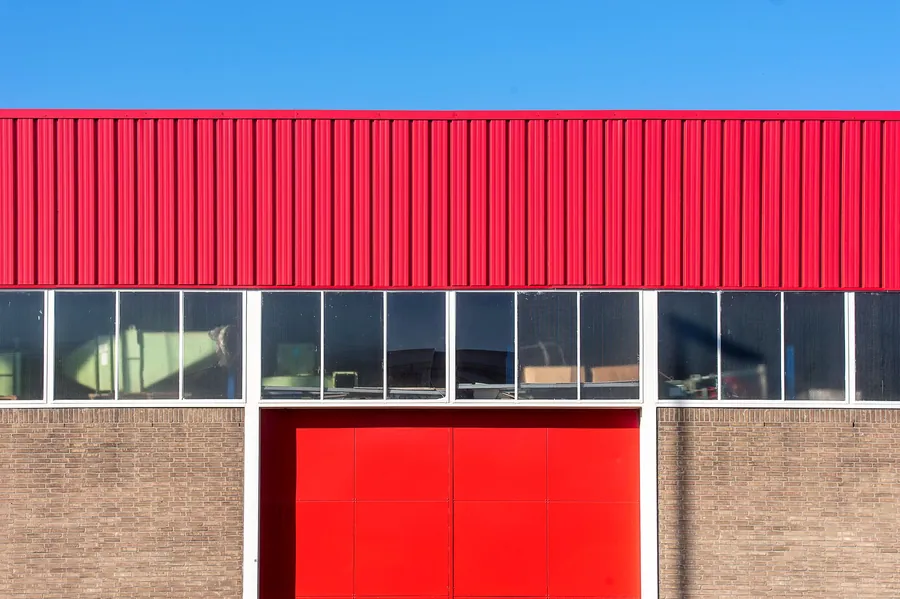
Impacts affecting tracks, lifting hardware, or adjoining sections may require repairs to damaged warehouse overhead doors in addition to section replacement.
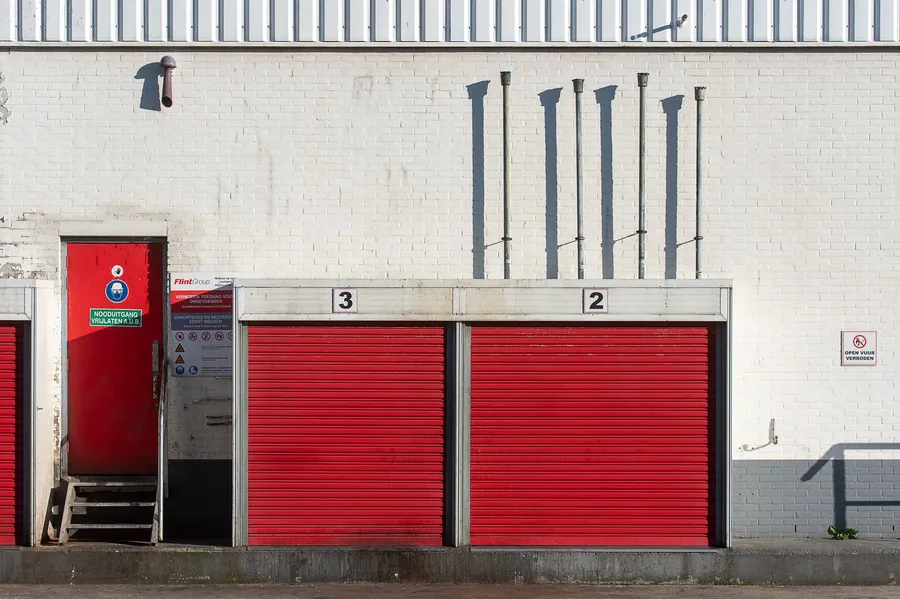
If compatible sections are unavailable or several panels are structurally damaged, installing a replacement commercial garage door may be a more appropriate option.
After panel replacement, scheduled inspections of commercial sectional doors help monitor hinges, rollers, reinforcement, and other components exposed to operating wear.
Damage extending to supporting brackets, track connections, or adjoining hardware may require additional corrective work before the replacement section can operate properly.