
Residential & commercial garage doors
Close Shop With Confidence
Your glass storefront attracts customers, but its security grille must work with the existing entrance. We plan storefront roll-up gate installation in Fairfax, VA around glazing, display windows, and pedestrian access.
A storefront security grille may be installed inside or outside the glazed frontage, depending on the intended protection, available structural supports, and property requirements. Its position must account for entrance doors, display windows, existing framing, and required exit access. The selected configuration determines which parts of the storefront remain behind the barrier.
Retail storefronts often combine glass entrance doors, fixed display windows, aluminum framing, recessed entry areas, and decorative facade elements. A security grille covering only the doorway protects a different area from one extending across the entire glazed frontage. The placement decision starts with identifying which parts of the shop require a physical barrier.
Some retailers need separate protection for their primary entrance and adjacent merchandise displays. Others have a continuous storefront opening that requires one coordinated grille arrangement. These differences affect closure coverage, access locations, and how the security barrier interacts with existing retail features. Our rolling gate and shutter services cover these commercial security entrance requirements.
Glass panels, decorative mullions, projecting handles, and recessed doorways create fitting restrictions that ordinary wall openings do not share. A security grille positioned too close to the entrance might interfere with door operation or contact surrounding fixtures. The proposed barrier must also correspond to the storefront’s actual structural attachment points.
Consider a shopping-center unit in Centreville with a glass entrance beside two display windows and signage above the frontage. The retailer needs to decide whether all three sections require closure. Existing architectural features and required exit routes influence that decision. When an older security grille already has damaged components, rolling gate repair addresses the existing equipment.
An exterior grille places a physical barrier between the public approach and the storefront glazing. This arrangement changes the appearance of the facade and exposes the closure to outdoor conditions. Because it sits outside the glass, storefront roll-up gate installation in Fairfax, VA requires attention to exterior mounting suitability, surrounding finishes, and applicable property restrictions.
An interior grille sits behind the existing glazing and restricts access farther into the retail space. The exterior glass remains exposed, while merchandise and interior areas receive a separate security barrier. The available mounting structure, customer entrance arrangement, and manufacturer’s approved installation configurations determine whether this positioning suits the storefront.
A retail security barrier needs to correspond to the existing frontage rather than simply cover its measured width. Metro Garage Doors considers the protected areas, entrance features, and intended operating arrangement before installation.
Step 1
We identify the entrance doors, display windows, glazing sections, and retail openings that need coverage from the proposed security grille.
Step 2
Existing glass framing, entrance hardware, signage, facade finishes, and suitable structural attachment locations are reviewed against the selected grille position.
Step 3
The selected grille, supporting components, and compatible operating hardware are fitted according to the storefront conditions and manufacturer’s installation requirements.
Step 4
We check grille travel, closed coverage, surrounding clearances, and required entrance access while verifying applicable operating controls and safety functions.
An installed security grille becomes part of the storefront’s daily operating environment. It must correspond to the glazing layout, structural supports, entrance doors, and designated access routes. Metro Garage Doors evaluates these relationships so the chosen barrier provides its intended coverage without interfering with the storefront’s existing functions.
The grille requires suitable separation from glass panels, door handles, projecting fixtures, and surrounding finishes to prevent interference during operation.
Guide supports and mounting connections require suitable load-bearing surfaces. Decorative framing and glazing members must not be assumed capable of supporting the security assembly.
The installed arrangement must preserve required exit operation and access during occupancy, following applicable building requirements and the entrance's designated use.
The grille must reach its designated closed position with compatible locking hardware while avoiding unwanted contact with storefront features and surrounding finishes.
Open-pattern security grilles restrict entry but leave spaces between their metal sections. Small objects or nearby merchandise remain accessible through some grille designs. The opening pattern, distance between the barrier and display shelves, and merchandise placement affect exposure. Retailers should consider these limitations when deciding where valuable products will be displayed after closing.
Employee access depends on the installed locking and operating arrangement. Manual grilles may use compatible key-operated locks, while motorized systems may have authorized key switches or other access controls. The storefront also needs a practical entry arrangement for the first employee arriving. Required emergency exit functions must remain available during occupancy.
Power-loss operation depends on the selected motor and control equipment. Some systems provide manufacturer-approved manual operation or backup power arrangements, while others require a separate access provision. Not every motorized grille includes the same emergency release mechanism. The available operating method should be confirmed before equipment selection and explained to authorized staff.
Separate security grilles are possible when the storefront layout provides suitable openings, structural support, and operating arrangements. Independent systems allow individual entrances or display bays to be secured according to their intended use. Each closure requires compatible controls and appropriate access provisions, particularly when an opening forms part of a required exit route.
Warranty implications depend on the existing storefront manufacturer’s terms and the modifications required for installation. Drilling into framing, altering facade finishes, or changing weatherproofing details might affect coverage. Reviewing installation restrictions and approved attachment methods before work begins helps identify potential conflicts with glazing, framing, or building-envelope warranties.
Removal depends on the original mounting arrangement, surrounding construction, and lease obligations. Detaching the grille may leave anchor holes, altered finishes, or attachment marks requiring restoration. Landlord approval and property handover requirements also matter. Tenants expecting future removal should discuss mounting arrangements and potential restoration work before installation.
Your display windows, entrance doors, and security barriers need to work together. Discuss storefront roll-up gate installation in Fairfax, VA at (703) 944-0855 before selecting your grille configuration.
We’re available 24/7 for your assistance!
Prefer to talk?
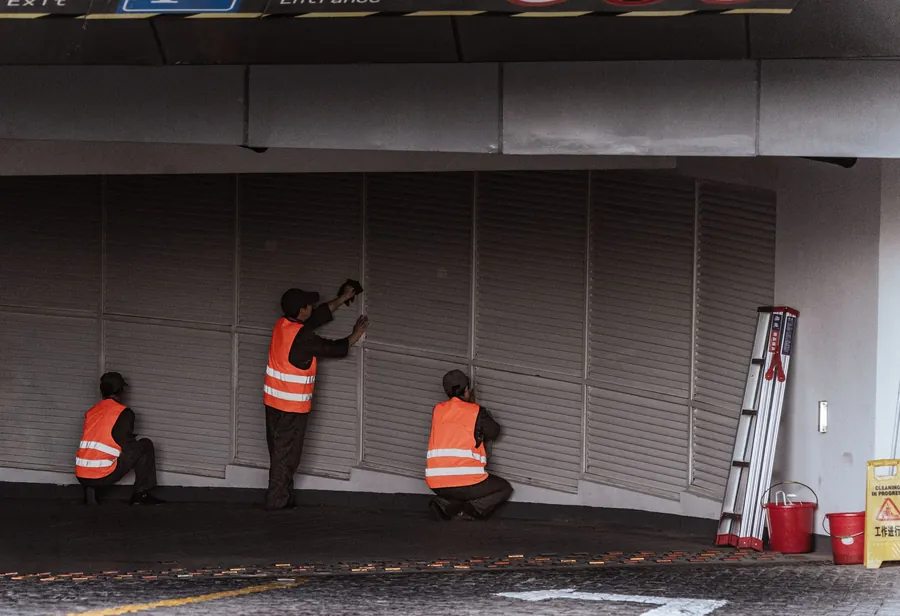
For warehouses, service entrances, and other commercial openings, rolling gate installation addresses equipment fitting, structural support, and operating requirements.
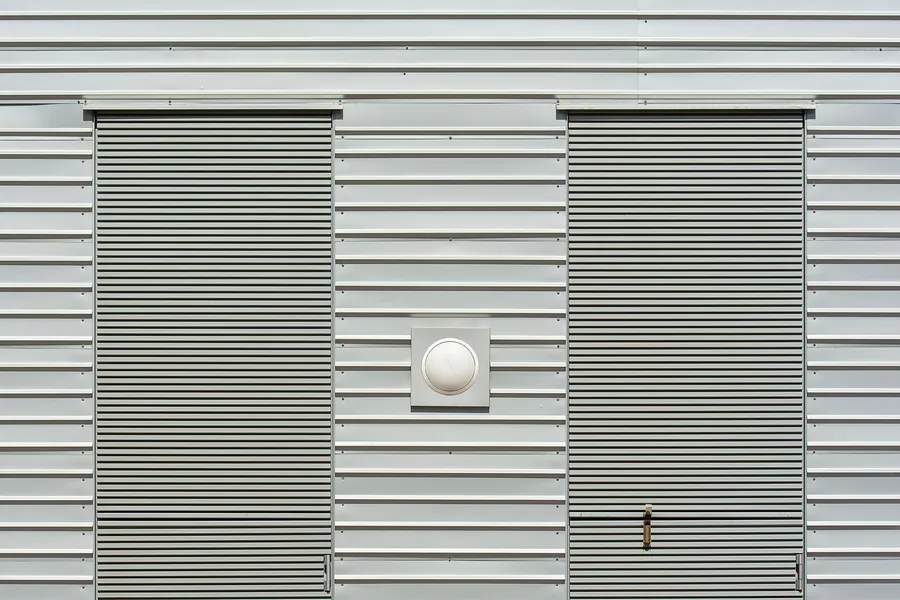
Retail security grilles with damaged links, misaligned guides, faulty locks, or operating problems require inspection and repair of the affected components.
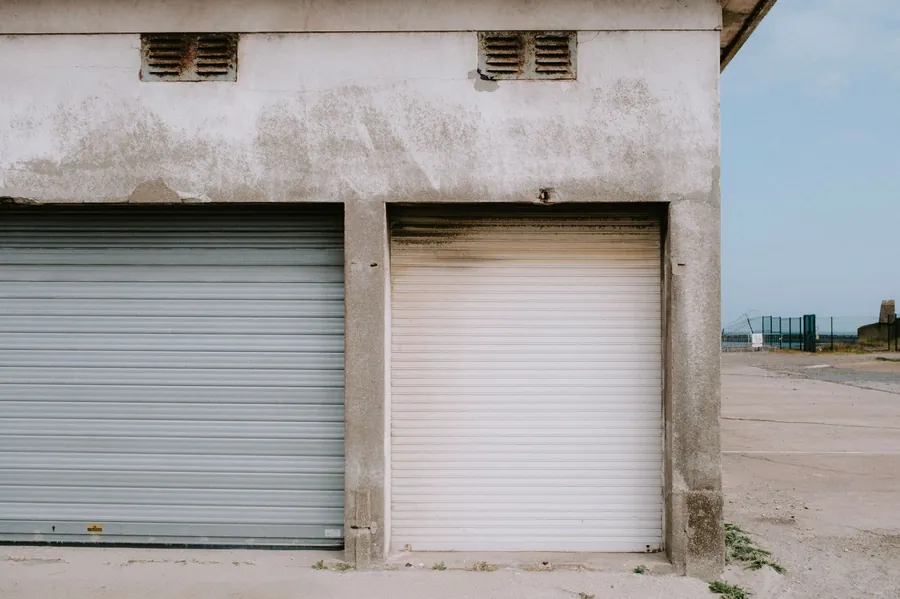
Businesses requiring solid closure across an entrance can explore rolling shutter installation for appropriate curtain construction and operating equipment.

Commercial properties with multiple secured openings need equipment selected according to each entrance’s intended access, closure type, and operating requirements.