
Residential & commercial garage doors
Check Before Trouble Strikes
Your garage door opens and closes, but is its safety equipment working correctly? Schedule a garage door safety inspection in Fairfax, VA, to check lifting hardware, balance, sensors, and reversal functions.
A garage door safety inspection in Fairfax, VA examines the mechanical parts that support the door and the protective functions that prevent unsafe closing. Technicians check springs, cables, brackets, door balance, photo-eye sensors, and automatic reversal to identify damaged hardware or failed safety functions before continued operation.
A garage door weighs enough to create serious hazards when lifting hardware fails, or closing protection stops working. Springs counterbalance the door, cables transfer lifting force, and brackets secure important connections. The opener’s safety devices protect the closing area. Normal daily movement does not confirm that every mechanical attachment and protective function remains in suitable condition.
For a Fairfax homeowner near Main Street, the attached garage might be the primary entrance for vehicles and family members. The door closes every evening, yet a worn lift cable or malfunctioning photo-eye remains difficult to notice during ordinary use. A safety inspection examines those components without relying solely on whether the opener completes a cycle.
Lifting hardware deserves immediate attention when cables show broken strands, springs have visible gaps, brackets appear displaced, or the door drops or rises unexpectedly. These conditions involve the weight of the garage door and the tension stored in its lifting assembly. Continued operation risks additional mechanical damage or injury.
Closing protection requires separate testing. A door that reverses unexpectedly, ignores a blocked photo-eye beam, or closes despite a known safety-system fault needs its protective equipment checked. Metro Garage Doors examines mechanical hazards and opener safety functions to identify which components require correction before normal operation resumes.
A failed inspection identifies the condition requiring correction, not simply a list of worn components. Broken cables, damaged spring attachments, uncontrolled door travel, or nonfunctioning reversal protection demand prompt attention. The affected door should remain out of operation until the hazard is corrected and the required safety functions are verified.
Other findings involve ordinary upkeep rather than immediate hazards. Minor roller wear, dry hinges, and loose non-tension fasteners belong within routine garage door maintenance. The inspection distinguishes maintenance items from damaged lifting hardware, failed sensors, and other defects that require specific repair work before regular use continues. Metro Garage Doors examines the garage door’s mechanical safety, checks powered closing protection, and identifies faults that require repair before continued use.
Step 1
Inspect spring condition, lift cables, drums, anchor brackets, and visible attachments for damage without loosening tension-bearing components.
Step 2
Check controlled door movement and counterbalance condition using appropriate procedures to identify excessive weight, drifting, or unstable travel.
Step 3
Verify photo-eye alignment, beam detection, indicator response, and whether the opener prevents closing when the beam is interrupted.
Step 4
Test applicable automatic reversal functions according to manufacturer instructions and record failures requiring correction before normal operation resumes.
A garage door safety inspection in Fairfax, VA evaluates whether the lifting hardware remains secure and the opener responds correctly to obstructions. A successful opening cycle alone is not enough. Reliable inspection work separates damaged mechanical attachments, improper counterbalance, defective sensors, and failed reversal functions so each finding receives the appropriate attention.
Spring anchors, cable drums, bottom brackets, and lifting connections are examined for visible damage without disturbing components under significant stored tension.
Balance and travel behavior are reviewed to identify uncontrolled movement, excessive door weight, or resistance that requires mechanical correction.
Photo-eyes and applicable automatic reversal functions are tested according to opener requirements, rather than bypassed to force the door closed.
Unsafe defects are distinguished from ordinary wear. Garage door preventive maintenance addresses developing deterioration that does not require immediate corrective repair.
Photo-eye indicator lights provide an initial indication, but illuminated sensors alone do not confirm correct safety operation. The opener must respond properly when its beam is interrupted during closing. Follow the manufacturer’s prescribed test procedure. If the door ignores an obstruction or the sensors behave unpredictably, stop using powered closing and arrange professional testing.
A frayed lift cable has already lost part of its wire-rope integrity. Continued movement places additional stress on the damaged strands and lifting assembly. Stop operating the door and arrange qualified inspection and repair. Avoid touching the cable, bottom bracket, drum, or other components connected to spring tension.
A failed reversal test means the opener has not demonstrated the required protective response. The problem might involve sensor alignment, wiring, travel settings, force settings, or defective opener components. Powered operation should remain suspended until the defect is corrected and the relevant safety tests pass according to manufacturer instructions.
The inspection identifies mechanical defects, unsafe conditions, and failed protective functions. Repairs involving broken springs, damaged cables, sensors, brackets, or other components require additional work and potentially replacement parts. The inspection findings determine which repairs are necessary, allowing the homeowner to understand the condition before authorizing corrective work.
A vehicle impact can bend tracks, loosen brackets, damage panels, or affect roller alignment even when the door continues moving. Arrange an inspection before operating the door again. The damaged area, supporting hardware, lifting connections, and opening movement need assessment to determine whether repairs are required.
Frayed cables, unstable door movement, failed photo-eyes, and unreliable reversal functions deserve attention before normal use continues. Call (703) 944-0855 to schedule a garage door safety check in Fairfax.
We’re available 24/7 for your assistance!
Prefer to talk?
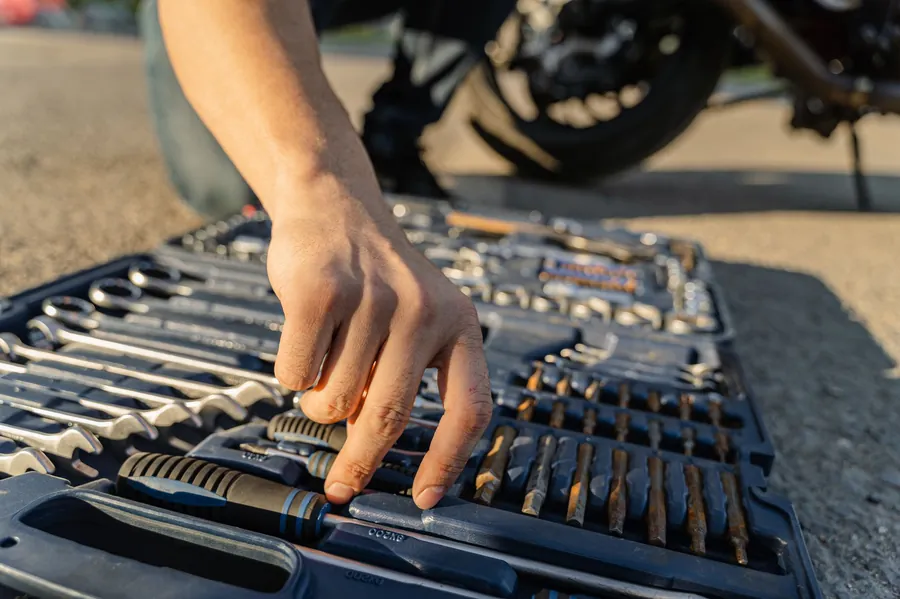
A door with rattling hardware or rough movement but no identified safety failure benefits from a focused garage door tune-up.
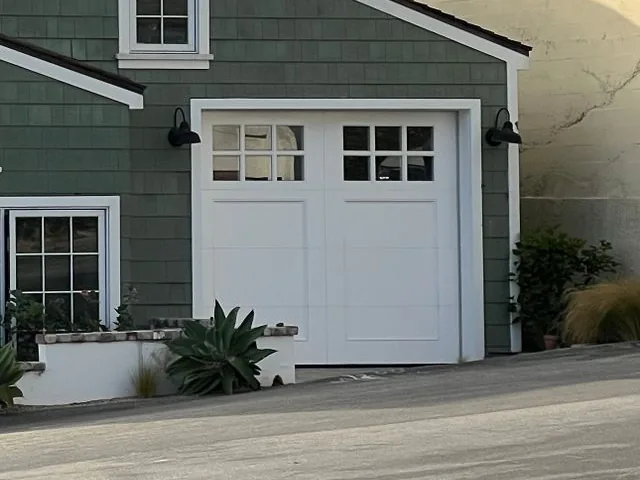
Broken hinges, damaged tracks, or loose structural hardware require garage door repair rather than inspection alone.
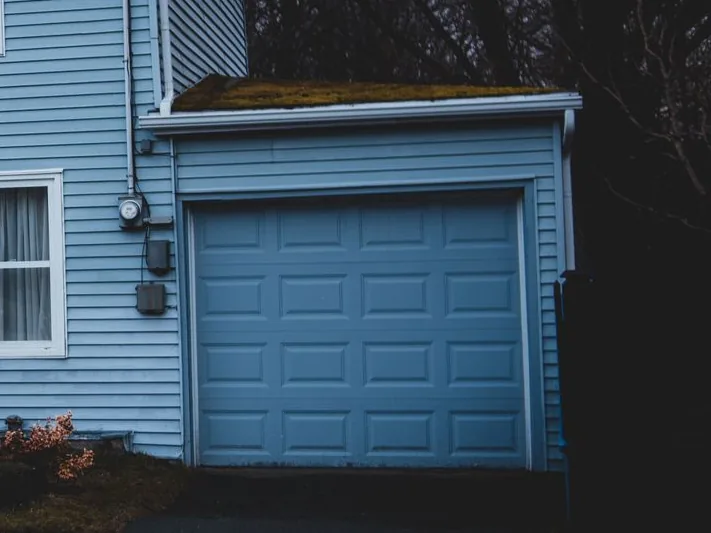
If the closing obstruction system fails, garage door sensor repair addresses defective photo-eyes, wiring, and alignment.
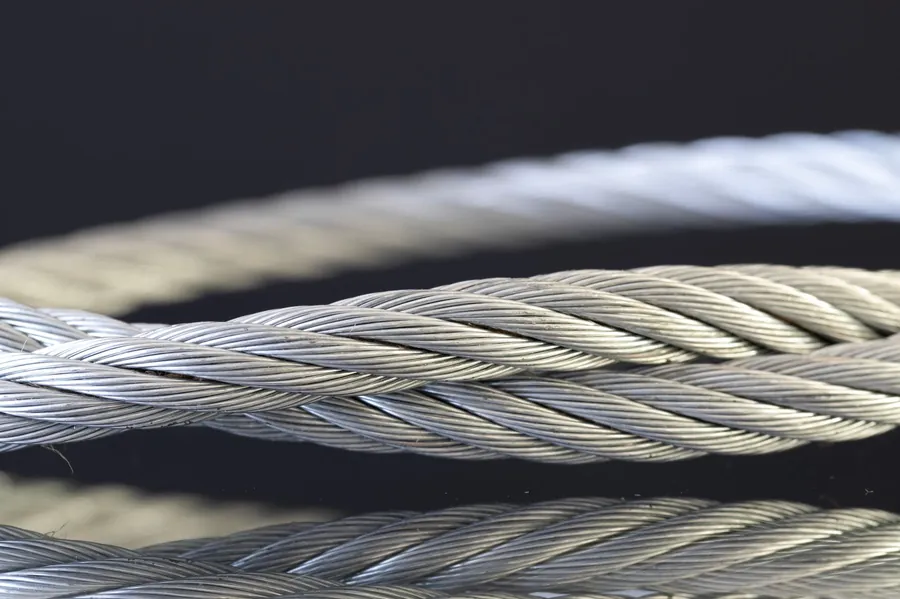
Frayed or broken lifting cables require garage door cable replacement to restore the door’s lifting connections.