
Residential & commercial garage doors
Get Safe Closing Back
Garage door stuck open or reversing before it closes? Get garage door sensor repair in Fairfax, VA for misaligned photo-eyes, damaged wiring, blocked safety beams, and faulty connections.
Garage door photo-eye sensors monitor the opening during closing. When an obstruction, misalignment, damaged wire, or failed sensor interrupts the safety signal, the opener stops or reverses the door. Restoring normal closing requires correcting that interruption while keeping the safety-reversal system fully operational.
Garage door safety sensors usually sit near the bottom of the tracks, facing each other across the opening. One unit transmits an infrared beam, and the other receives it. When the beam is blocked, or the receiver loses the required signal, the opener prevents normal powered closing to reduce the risk of contact with an obstruction.
A closing problem does not automatically mean both sensors have failed. Metro Garage Doors checks sensor positioning, indicator lights, brackets, low-voltage wiring, and connections before replacing equipment. Our garage door opener services also address control, motor, drive, and programming faults when the interruption originates elsewhere in the opener.
A shifted bracket breaks the alignment between the photo-eyes, while dirt, stored equipment, or another obstruction interrupts the beam. Sensor lights often reveal the interruption, although their colors and flashing patterns vary between opener models. Physical alignment problems require different work from electrical failures inside the sensor circuit.
Damaged wiring interrupts power or communication between the sensors and the opener. Loose terminals, broken conductors, moisture-damaged connections, or a failed photo-eye leave the closing circuit without the required signal. Checking the wiring prevents unnecessary replacement of sensors that are still functioning correctly.
Start with the visible sensor area. Remove boxes, bicycles, tools, or other objects crossing the beam. Wipe dirt from the lenses and look for a bracket that has shifted out of position. Do not open electrical connections, bypass the sensors, or force the door closed when the safety equipment is malfunctioning.
In a Mosby Woods garage, a bicycle stored beside the track might knock one photo-eye bracket sideways. The door then starts closing and reverses because the receiver loses alignment. Metro Garage Doors handles garage door sensor repair in Fairfax, VA by correcting faults such as displaced brackets, damaged connections, and defective photo-eyes, followed by safety testing.
Step 1
We check both photo-eye indicator lights, inspect the lenses, and identify physical obstructions or electrical interruptions affecting the sensor signal.
Step 2
Shifted brackets are repositioned, sensor faces are aligned, and mounting fasteners are secured to maintain the required beam connection.
Step 3
Damaged low-voltage wiring, loose terminals, and defective sensor components are repaired or replaced using compatible equipment for the installed opener.
Step 4
The door is operated through closing cycles, and the photo-eye interruption and required reversal functions are verified before normal use resumes.
A garage door that refuses to close creates an immediate inconvenience, especially when vehicles, tools, and other belongings remain inside. The repair must restore closing without defeating the obstruction-detection system. That requires secure brackets, intact wiring, compatible sensors, and a verified safety response.
Sensor faces are positioned correctly across the opening, with mounting brackets tightened to prevent movement from vibration or accidental contact.
Low-voltage cables, terminal connections, and damaged insulation are checked when indicator lights lose power or the receiver signal becomes unstable.
Defective photo-eyes are replaced with components approved for the opener model rather than visually similar sensors with incompatible electrical requirements.
The closing cycle and photo-eye reversal are tested after repair, ensuring the door responds correctly when an obstruction interrupts the beam.
On some opener models, holding the wall control activates a supervised closing function when the photo-eye circuit reports a fault. This behavior often points toward misalignment, wiring damage, or sensor failure. It is not a substitute for repairing the safety system, and normal remote-controlled closing should remain disabled until the fault is corrected.
Sensor indicator colors depend on the opener manufacturer and model. Some systems display different colors on the transmitting and receiving units, while others use flashing patterns to identify faults. The important check is whether both photo-eyes show the correct operating status specified by the manufacturer, not whether both lights match.
Direct sunlight affects certain sensor receivers when glare interferes with infrared detection. Rain or moisture also causes problems when water reaches damaged wiring or electrical connections. Sensor positioning, weather exposure, lens condition, and wiring integrity help determine why operation changes with outdoor conditions.
Replacement requirements depend on the manufacturer and the sensor model. Some photo-eye systems use matched transmitter-and-receiver pairs, making pair replacement necessary. Other faults involve a single damaged wire, loose bracket, or connection that requires no sensor replacement. The existing opener specifications determine which parts are compatible.
Repair cost depends on the work required. Cleaning and realigning photo-eyes involves different labor and materials from repairing damaged wiring or replacing a compatible sensor pair. Opener model, component availability, mounting damage, and electrical faults affect the estimate. An inspection identifies the actual repair before replacement parts are selected.
A garage stuck open leaves vehicles and stored belongings exposed. Call (703) 944-0855 for garage door sensor repair in Fairfax, VA, including photo-eye alignment, wiring faults, and closing-reversal problems.
We’re available 24/7 for your assistance!
Prefer to talk?
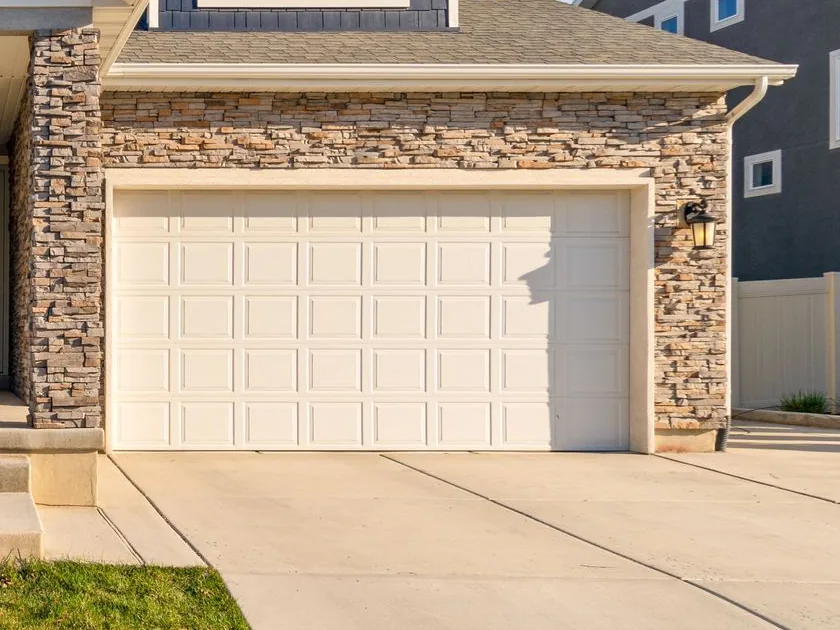
If sensor signals are normal but the door ignores commands, garage door opener repair addresses control and drive faults.
If the opener hums, stalls, or overheats instead of moving the door, garage door motor repair addresses motor output.
For a garage without powered operation, garage door opener installation adds compatible controls, drive equipment, and required safety sensors.
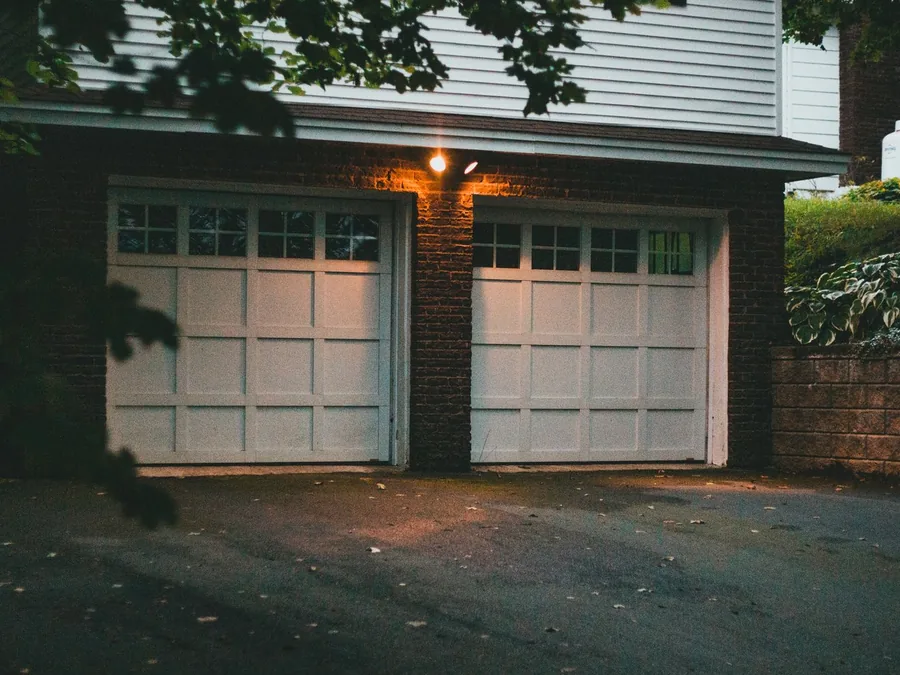
When the existing unit has extensive electronic failures or obsolete components, garage door opener replacement covers a complete changeout.