
Residential & commercial garage doors
Less Rattle, Better Travel
Grinding, shaking, scraping, or jerky movement can point to garage door roller replacement in Fairfax, VA when worn wheels or bearings no longer travel cleanly through the tracks.
Garage door rollers should rotate freely while guiding the sections through the vertical, curved, and horizontal tracks. Cracked wheels, worn bearings, bent stems, excessive play, or seized rotation can make the door vibrate, chatter, drag, or move less smoothly during each opening and closing cycle.
Each roller combines a wheel and stem that moves with a hinge or supporting bracket as the garage door sections change position. The wheel travels vertically beside the opening, through the curved transition, and into the horizontal track overhead. Bearings or bushings inside the roller help reduce resistance during that repeated movement.
Metro Garage Doors checks wheel rotation, bearing play, roller stems, hinge connections, and track contact to determine whether rough travel actually begins at the roller. When several systems could be involved, a broader garage door repair service can identify whether rollers or another moving component is causing the problem.
Roller wear often shows up in the quality of movement before the wheel fails completely. A worn bearing can create chatter or grinding, while a cracked nylon wheel may move inconsistently through the rail. Excessive stem play can also allow the roller to shift instead of following a stable path.
Not every noisy door has bad rollers. A bent track can pinch a healthy wheel, and a damaged hinge can change the angle at which the roller stem enters the rail. Watching where the noise, vibration, or drag begins helps separate roller wear from problems elsewhere in the movement system.
Nylon rollers are commonly chosen where quieter movement is important because the wheel surface reduces some metal-on-metal contact with the track. Steel rollers use a metal wheel and can remain durable in suitable setups, but bearing condition, lubrication points, stem fit, and track contact still determine how smoothly they travel.
Material alone should not decide a replacement. Wheel diameter, stem length, bearing design, track compatibility, and the existing hinge or bracket configuration all matter. Garage door roller replacement in Fairfax, VA should correct the worn movement component while confirming that the surrounding track and section hardware are not creating the same rough travel.
Step 1
The door is observed through opening and closing to locate where vibration, grinding, dragging, or irregular travel becomes most noticeable.
Step 2
Wheel surfaces, bearings, stems, side play, hinge connections, and the roller’s position inside the track are reviewed individually.
Step 3
Worn or damaged rollers are replaced with components suited to the existing door, hinge arrangement, stem requirements, and track configuration.
Step 4
The door is run through vertical, curved, and horizontal track sections to confirm that the replacement rollers move consistently throughout travel.
Noise, vibration, and binding can come from rollers, hinges, track damage, or section alignment. Metro Garage Doors separates those movement problems before replacing hardware, so a worn roller receives roller-specific work without treating every rough-moving garage door as a damaged-track problem.
The roller itself is checked for cracks, flat spots, seized rotation, bearing wear, looseness, or damage that changes how it moves.
The rail is reviewed for pinch points, rubbing, bends, or clearance problems that could make a healthy roller appear defective.
Roller stems pass through hinges or supporting brackets, so looseness or damage there can change the wheel’s angle and travel.
The completed work is judged by how the door moves through its full path rather than simply by the appearance of new hardware.
Shaking can develop from worn rollers, excessive bearing play, damaged hinges, bent tracks, or section alignment problems. Roller wear is more likely when individual wheels wobble, bind, or rotate roughly, but the entire travel path should be checked before assuming every vibration comes from the rollers.
Nylon wheels generally create less metal-on-metal contact with the track, which can reduce some operating noise. Overall sound also depends on bearing condition, track alignment, hinge movement, lubrication, and the rest of the door hardware, so roller material is only one factor in how quietly the door operates.
Individual rollers may be replaced when wear is limited to specific locations and the remaining rollers are still in suitable condition. However, the other wheels should be checked for cracks, bearing play, rough rotation, and similar wear before deciding whether the problem is isolated or more widespread.
Repeated roller displacement can involve a bent track, excessive roller-stem play, damaged hinge hardware, loose mounting points, or door alignment problems. Replacing the wheel alone may not solve the issue if the surrounding track or connection is allowing the roller to leave its normal path.
Lubrication needs depend on roller construction. Bearings and certain metal moving points may require appropriate garage-door lubricant, while the nylon wheel surface itself generally should not be coated unnecessarily. The roller design and manufacturer guidance should determine where lubrication belongs rather than spraying every visible surface.
If the door has started grinding, shaking, chattering, or moving unevenly through the tracks, call (703) 944-0855 to have the rollers and travel path checked before worn movement begins affecting hinges, tracks, or other connected hardware. Metro Garage Doors serves Fairfax and surrounding Northern Virginia communities with roller, track, hinge, cable, spring, and general garage door repair services.
We’re available 24/7 for your assistance!
Prefer to talk?
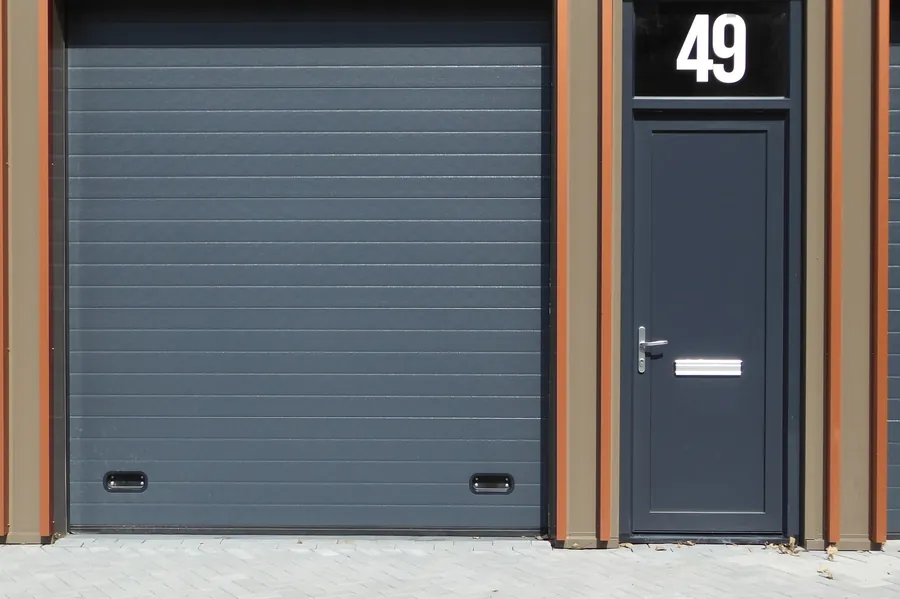
If a wheel cannot follow a clean path because the rail is bent or distorted, garage door track replacement may address the actual restriction.
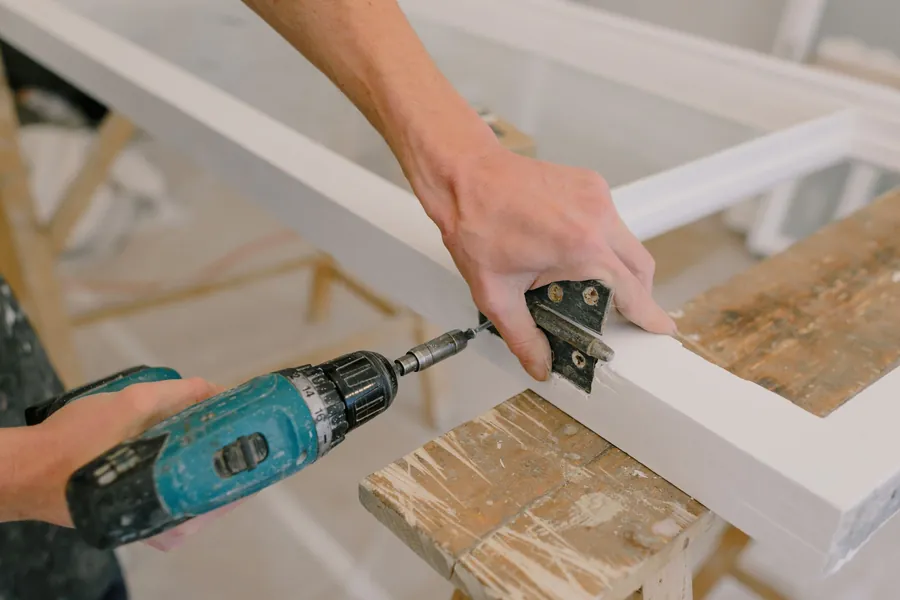
When a roller stem sits incorrectly because its section connection is damaged, garage door hinge replacement may restore proper movement.
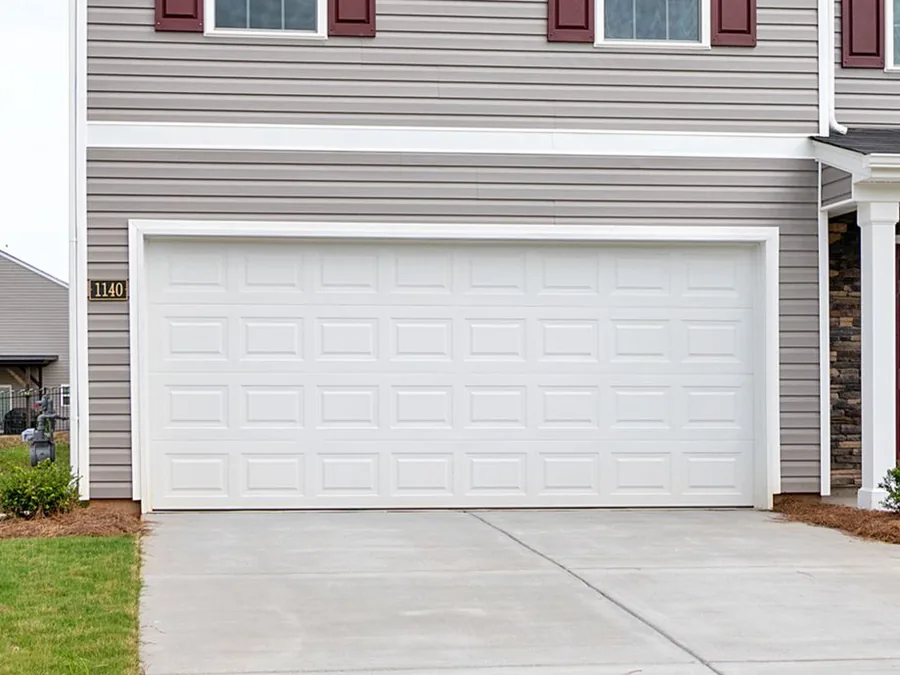
If the door rises unevenly rather than simply traveling roughly, garage door cable replacement may need attention.
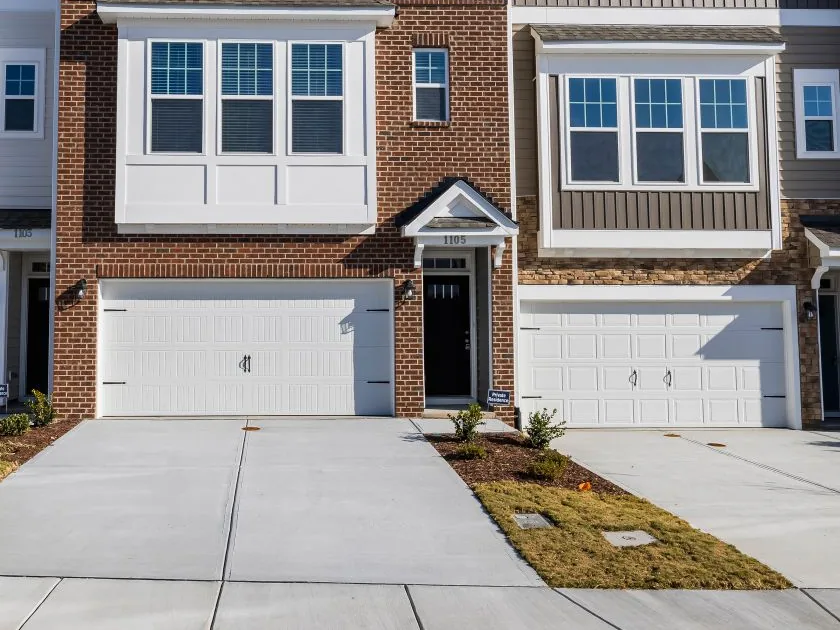
If the source of binding, shaking, or noise remains unclear, garage door repair can isolate the wider operating fault.