
Residential & commercial garage doors
Close the Weather Gap
Daylight under the door, cold air along the jambs, or water near the threshold can point to garage door weather seal replacement in Fairfax, VA.
A visible gap can come from worn weatherstripping, flattened bottom rubber, poor compression, an uneven floor, or the door no longer meeting the opening correctly. The location and shape of the gap help determine whether the bottom astragal, perimeter vinyl, door position, or another component needs attention.
Along the bottom edge, the astragal or rubber gasket compresses against the garage floor as the door closes. Age, repeated movement, temperature exposure, or an uneven slab can reduce that contact. Once the seal becomes flattened, brittle, or torn, daylight and moisture may begin appearing beneath the closed door.
The sides and header work differently. Flexible vinyl weatherstripping presses against the face of the door to close narrow perimeter gaps. These seals are installed as part of a complete garage door installation, but the weatherstripping often wears out long before the actual door needs replacing.
A consistent opening across most of the bottom edge often points toward worn rubber, insufficient compression, or poor contact with the floor. A gap limited to one corner can indicate a different condition, including floor variation, door position, or uneven contact rather than failure across the entire seal.
Side and header gaps also tell a story. Cracked vinyl or weatherstripping pulling away from the jamb can expose daylight along a straight edge, while an irregular gap may indicate the door itself is not sitting squarely against the opening. Replacing rubber without checking that pattern can leave the original opening unchanged.
A new gasket cannot correct every opening around a garage door. A crooked closing position, worn hardware, uneven concrete, damaged sections, or poor alignment may prevent even new weatherstripping from making continuous contact. Metro Garage Doors checks how the door meets the floor, jambs, and header before deciding what needs replacement.
When the seal itself is deteriorated, garage door weather seal replacement in Fairfax, VA can restore that missing contact. If hardware position or another usable component is contributing to the opening, targeted garage door upgrades may address the cause more effectively than installing new rubber alone.
Step 1
We inspect the bottom edge, corners, jambs, and header with the door closed to locate exactly where sealing contact disappears.
Step 2
Door alignment, closing position, section geometry, and floor height are checked for conditions that new weatherstripping cannot correct by itself.
Step 3
The bottom astragal or perimeter weatherstrip is matched to the retainer, mounting style, door edge, and compression required at that location.
Step 4
After fitting, we check floor, corner, jamb, and header contact while confirming the new seal does not restrict normal door travel.
Replacing every seal around a door is unnecessary when the gap exists in only one location. The useful repair starts with identifying what has stopped making contact. That distinction helps separate worn weatherstripping from floor variation, door positioning, or hardware conditions that require a different correction.
The location and shape of the opening are checked before deciding whether the bottom, side, or header weatherstripping actually needs replacement.
Bottom seals and perimeter vinyl differ in shape, width, mounting method, and compression, so the replacement must suit the existing configuration.
Section position, floor height, jamb contact, and closing travel matter because new rubber cannot compensate for every physical alignment problem.
When the rest of the door remains functional, a localized seal problem stays a localized job instead of becoming unnecessarily larger work.
A closed garage door should generally allow its bottom seal to maintain contact across the floor rather than leave obvious daylight. A visible continuous gap can indicate worn rubber, insufficient compression, an incorrect closing position, or floor variation that prevents the astragal from contacting evenly.
New rubber will not eliminate a gap caused by an uneven slab, incorrect seal profile, mismatched retainer, or door that stops too high. The floor contact and closing position should be checked before assuming the replacement weatherstrip itself is defective.
A flexible bottom gasket can compensate for small floor variations, but it has limits. Larger dips, slopes, or irregular surfaces may still leave open areas. Using an excessively large seal to compensate can also create drag or poor compression elsewhere along the door.
The correct bottom seal depends on the existing retainer or channel, attachment style, door thickness, and the profile needed to contact the floor. Bottom astragals are not universally interchangeable, so matching the mounting configuration matters before a replacement is selected.
Weatherstripping reduces air leakage around the edges, but it does not change the thermal resistance of the door panels. If the perimeter closes properly but heat still transfers through the door itself, insulated garage door installation addresses a different source of heat loss.
Daylight, drafts, or moisture around a closed door deserve a closer look. Call Metro Garage Doors at (703) 944-0855 to identify which sealing point has lost contact.
We’re available 24/7 for your assistance!
Prefer to talk?
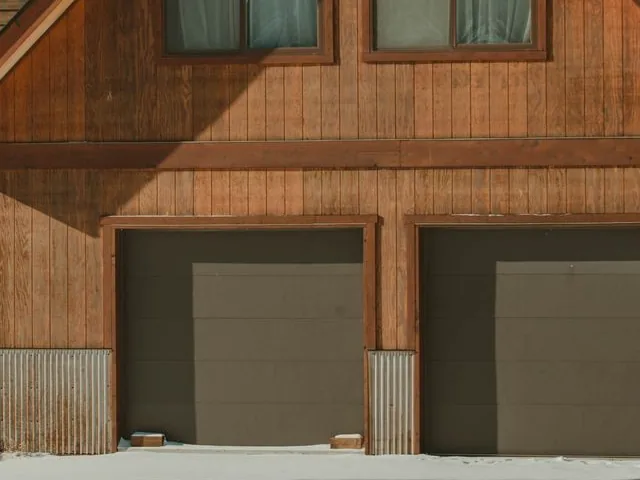
If perimeter gaps are closed but heat still passes through the panels, insulated garage door installation addresses the door construction.
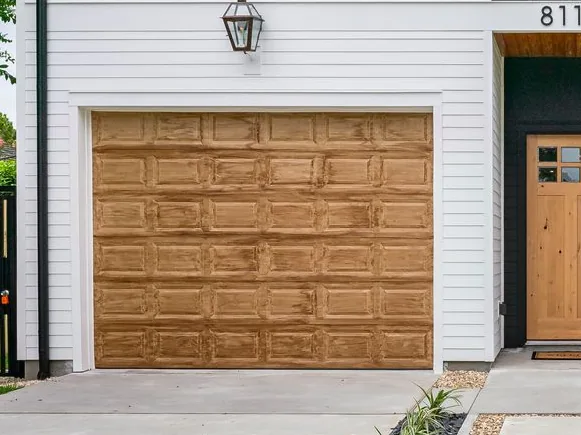
Warped or deteriorated sections may prevent proper closure, making garage door replacement more appropriate than new weatherstripping alone.
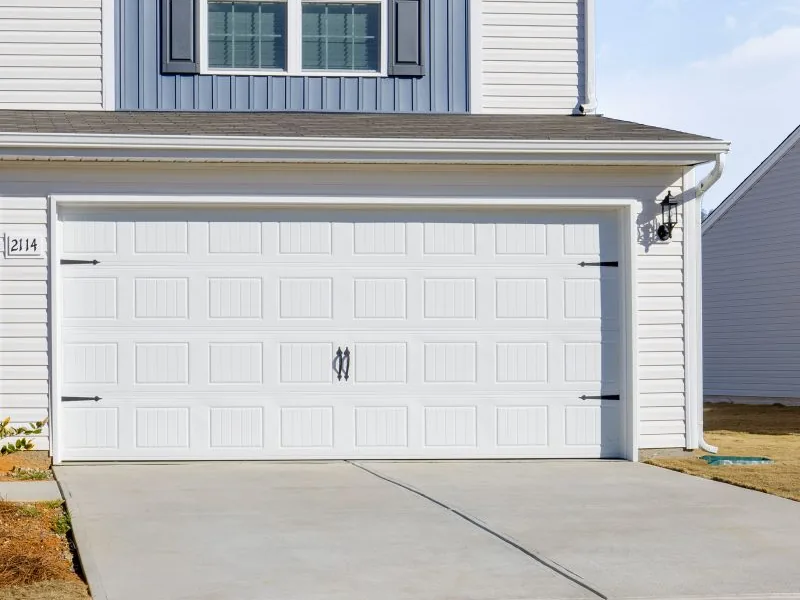
When hinges, rollers, or other components affect closure, garage door upgrades may correct the wider operating issue.
Damage concentrated around an insert may call for garage door window replacement instead of perimeter seal work.