
Residential & commercial garage doors
Comfort Beyond the Threshold
Improve garage temperature control with insulated garage door installation in Fairfax, VA using insulated sectional panels, proper sealing, and hardware matched to the completed door weight.
An insulated garage door is most useful when the garage shares walls or ceilings with living space, experiences noticeable temperature swings, or is used frequently. Insulated panels reduce heat transfer through the door, while proper perimeter sealing and compatible hardware help the complete system operate as intended.
Insulated garage doors use layered sectional panels with an insulating core between or behind the exterior skins. R-value describes resistance to heat flow, but overall performance also depends on panel construction, section joints, door thickness, and how well the system fits the opening. Our garage door installation service considers the complete door rather than insulation alone.
The added insulation can also change panel weight and rigidity. Insulated garage door installation in Fairfax, VA, therefore requires springs, tracks, rollers, hinges, brackets, and opener equipment that suit the finished door. Correct hardware matching helps the heavier sections move evenly without placing unnecessary strain on the lifting or operating system.
A high insulation rating does not eliminate heat loss if air moves freely around the door. Gaps at the sides, header, bottom edge, or between sections can reduce the benefit of insulated panels. Uneven door fit, compressed seals, or damaged weatherstripping may also allow drafts around an otherwise well-insulated system.
Door condition matters as well. Cracked sections, worn bottom seals, loose perimeter weatherstripping, or poor closing contact can create paths for outside air. Insulation works best when the panels, section joints, and perimeter sealing function together rather than relying on R-value as the only measure of performance.
The right insulation level depends on more than climate alone. An attached garage, room above the garage, frequent workshop use, stored temperature-sensitive items, door size, and exposure to outdoor temperatures can all affect the value of added thermal resistance. Metro Garage Doors evaluates these factors before recommending a door configuration.
Many insulated doors use steel exterior skins combined with an internal insulation layer, so homeowners comparing construction can also review steel garage door installation options. Panel thickness, insulation type, reinforcement, section design, and overall weight should all be considered before the final door and hardware are selected.
Step 1
We review the existing door, perimeter gaps, section joints, bottom seal, and garage layout to identify where thermal performance matters most.
Step 2
Panel construction, insulation level, door thickness, and completed weight guide the spring, track, roller, hinge, and opener requirements.
Step 3
We fit the insulated sections and check perimeter sealing, bottom contact, section alignment, tracks, hardware, and closing position.
Step 4
Door balance, section travel, spring response, opener movement, seal contact, and full opening and closing cycles are checked after installation.
An insulated garage door only performs well when the panels, seals, tracks, springs, and operating hardware work together. Metro Garage Doors considers thermal performance alongside door weight, section construction, sealing, and opener compatibility so the completed system is fitted around both comfort and reliable operation.
We compare insulation levels based on garage use, adjacent living space, door construction, exposure, and the thermal performance the property actually needs.
Perimeter gaps, bottom contact, and section joints are checked carefully, with garage door weather seal replacement considered where existing seals no longer close the opening properly.
Insulated panels can add weight, so springs, tracks, rollers, hinges, and opener equipment are matched to the completed door configuration.
We treat the insulated panels, seals, lifting hardware, tracks, and opener as one system rather than installing insulation as an isolated feature.
The appropriate R-value depends on whether the garage is attached, how often it is used, whether living space sits above or beside it, and local temperature exposure. Higher R-values provide greater resistance to heat flow, but door sealing and surrounding construction also affect overall performance.
An insulated door reduces heat transfer through the door itself, which can help the garage retain temperature more effectively than an uninsulated door. It does not actively heat the garage, and drafts around the perimeter, walls, ceiling, or other openings can still affect interior temperature.
It can still be worthwhile when the garage is attached to the home, sits below living space, is used as a workshop, or experiences large temperature swings. Insulation can reduce heat transfer through the door even when the garage does not have its own heating system.
Insulated doors often weigh more because they contain additional material layers and, in some designs, reinforced panel construction. The difference depends on door size, insulation type, thickness, and build. Springs, tracks, rollers, hinges, and opener equipment should be matched to the completed weight.
An existing opener may remain usable if its lifting capacity, rail configuration, travel settings, and safety equipment suit the new door. During a garage door replacement, the opener and spring system should be checked against the weight and operating requirements of the insulated door.
If your garage feels drafty, shares walls with living space, or still has an uninsulated door, Metro Garage Doors can help you compare panel construction, insulation levels, and sealing options. Call (703) 944-0855 to request an installation estimate.
We’re available 24/7 for your assistance!
Prefer to talk?
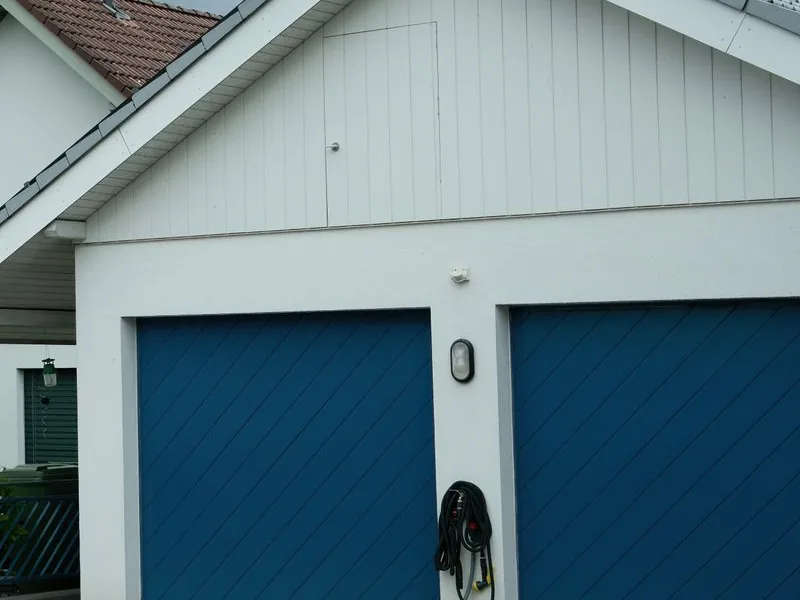
For homeowners prioritizing strong sectional construction, steel garage door installation offers different panel, reinforcement, insulation, and hardware configurations.

When several sections are damaged, or the existing system no longer fits the property, garage door replacement provides a complete changeout.
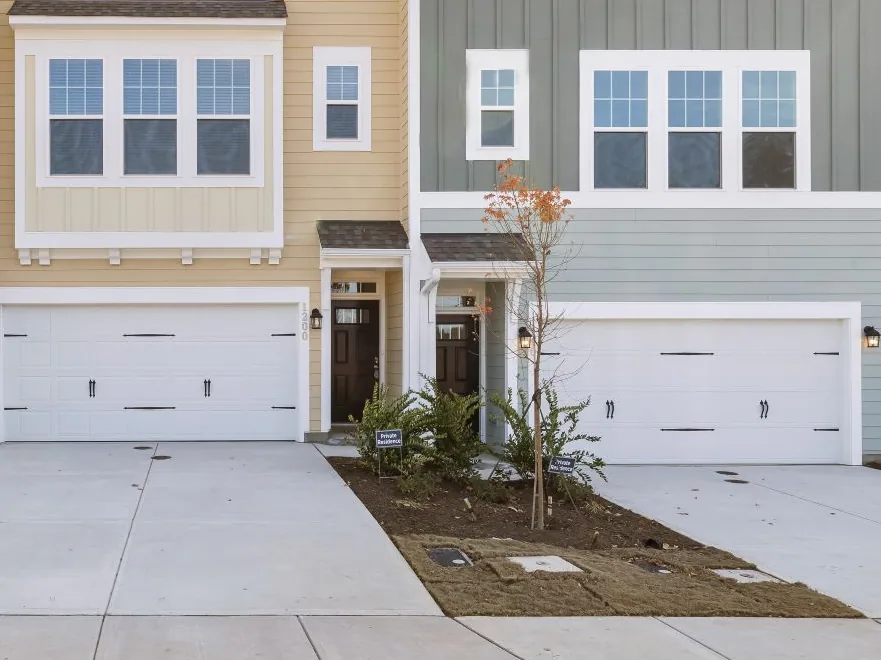
A usable door may benefit from targeted garage door upgrades involving compatible hardware, insulation, controls, or operating equipment.

If the door remains functional but air enters around the edges, garage door weather seal replacement can improve perimeter closure without replacing the complete system.