
Residential & commercial garage doors
Strength With Style Included
Choose steel garage door installation in Fairfax, VA with sectional panels, reinforced hardware, springs, tracks, and operating components matched to the door’s construction and weight.
Steel garage doors combine sectional construction with durable exterior panels, multiple design options, and configurations that can include insulation and added reinforcement. A professional installation matches the selected steel door with the springs, tracks, rollers, hinges, brackets, and opener equipment required for controlled daily operation.
Steel garage doors are built from connected sections that travel vertically before following the track system overhead. Panel construction, steel thickness, reinforcement, insulation, and overall door dimensions influence rigidity and total weight. Our garage door installation service accounts for these factors before hardware is selected and fitted.
The weight of a sectional steel door affects spring requirements, roller loads, hinge placement, track hardware, and opener compatibility. Steel garage door installation in Fairfax, VA, therefore requires more than fitting panels into an existing opening. The lifting and operating components must work with the completed door configuration.
A steel door can place unnecessary strain on its operating system when the springs, tracks, rollers, brackets, or opener are not appropriate for its finished weight. Reinforced or multi-layer panels can also change hardware requirements compared with a lighter existing door, especially during a complete material change.
Existing equipment deserves particular attention when a homeowner replaces an older wood, aluminum, or lightweight sectional door with steel. Hardware that operated the previous door may not automatically suit the new panel construction, reinforcement, weight distribution, or spring requirements.
Steel doors are available in different construction formats, so the exterior material alone does not determine how the finished system performs. Panel layers, internal reinforcement, insulation, door width, section design, and hardware requirements all affect the final setup. Metro Garage Doors evaluates these factors before recommending a fitting configuration.
For an attached garage or a property where thermal transfer matters, homeowners may compare standard steel construction with insulated garage door installation. Adding insulation can change section construction and weight, making spring selection, track hardware, weather sealing, and opener compatibility important parts of the decision.
Step 1
We review the opening, framing, track space, mounting points, and existing equipment against the selected sectional steel door configuration.
Step 2
Panel construction, reinforcement, insulation, door weight, and dimensions guide the spring, track, roller, hinge, and opener requirements.
Step 3
We position the steel sections, hinges, rollers, tracks, reinforcement, seals, brackets, and lifting hardware for controlled door travel.
Step 4
Spring balance, section alignment, track movement, opener response, and full door travel are checked after the system is assembled.
Steel garage door fitting requires the panels and operating hardware to function as one system. Metro Garage Doors considers door construction, finished weight, reinforcement, existing equipment, and opening conditions so the new steel garage door receives compatible support rather than relying on hardware selected for a different door.
We evaluate sectional construction, panel reinforcement, door weight, and insulation configuration before determining the hardware requirements for the selected steel system.
Springs, tracks, rollers, hinges, and opener equipment are matched around the completed door weight rather than the appearance of the panels alone.
Usable components can be assessed individually, while garage door upgrades may address hardware or operating equipment that no longer suits the new door.
We check section alignment, spring balance, roller travel, track movement, opener response, and closing operation before the installed door enters regular use.
Steel door weight varies with door size, panel thickness, reinforcement, insulation, and the number of construction layers. Some steel systems are substantially heavier than lightweight doors, which is why spring sizing, track hardware, rollers, hinges, and opener compatibility should match the finished door.
A lower steel gauge generally indicates thicker steel, but gauge alone does not determine the best garage door. Panel construction, reinforcement, insulation, door size, finish, and expected use also affect strength and performance. The suitable specification depends on the complete door design.
Many wood doors can be replaced with steel, but the existing springs, tracks, opener, framing, and mounting points need evaluation first. A complete garage door replacement may require hardware changes when the new steel system has different dimensions or weight.
Dent resistance depends on steel thickness, panel construction, reinforcement, and the force of the impact. A steel door should not be judged by material alone. Thicker or reinforced panel designs generally respond differently to impact than lightweight single-layer sections with less structural reinforcement.
The decision depends on garage location, adjacent living space, temperature exposure, door weight, noise preferences, and budget. Insulated steel construction can reduce heat transfer through the door, while a non-insulated system may suit detached garages where thermal performance is less important.
Tell us what you want to improve, from durability and insulation to appearance and daily operation. Metro Garage Doors can help narrow down the right steel door configuration for your property. Call (703) 944-0855 to request an installation estimate.
We’re available 24/7 for your assistance!
Prefer to talk?

For garages where thermal performance matters, an insulated garage door setup combines sectional construction with added insulating material.

Extensive panel damage or an outdated door may make complete garage door replacement more practical than retaining the existing system.
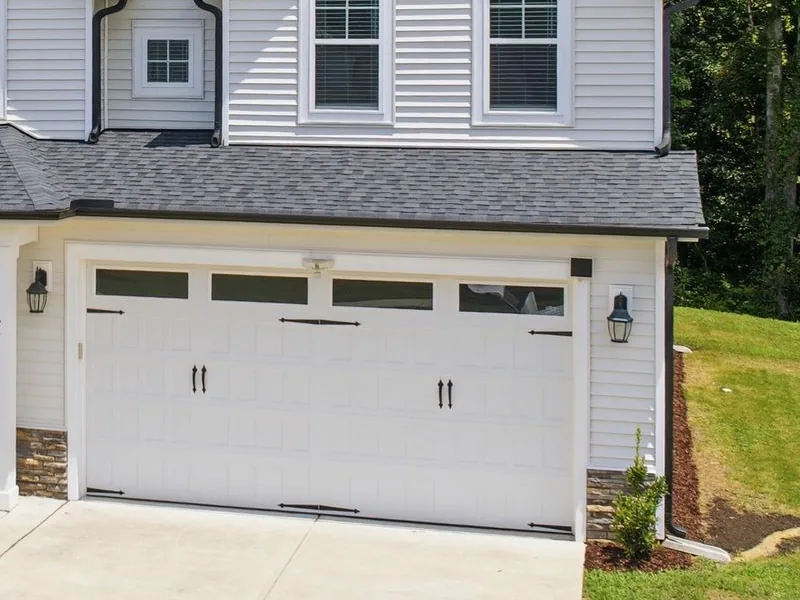
If the door remains serviceable, targeted garage door upgrades can address hardware, controls, insulation, or compatible operating components.
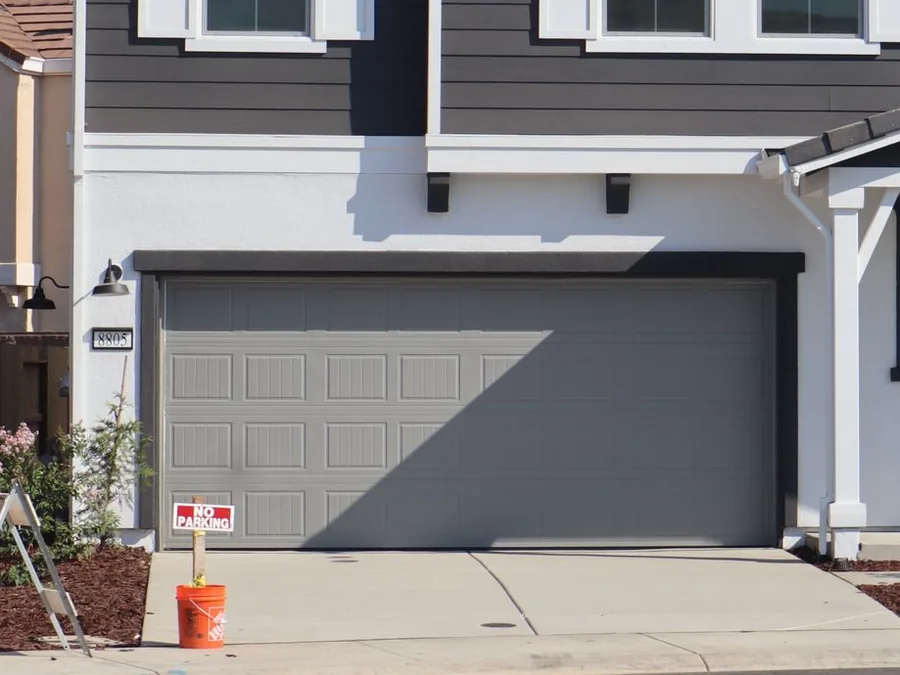
Worn seals around an otherwise usable door can be addressed through garage door weather seal replacement without changing the entire system.