
Residential & commercial garage doors
Answers Before You Book
A stuck door, unfamiliar noise, or unreliable opener can raise questions about safety, costs, and repairs. Find practical answers from Metro Garage Doors before arranging service in Fairfax, VA.
Garage door problems aren’t always straightforward. A motor that runs without moving the door could indicate a disconnected drive mechanism or a mechanical fault. A damaged panel might be replaceable, while an older door with several failing components may need more extensive work. Understanding these differences helps you make better service decisions.
This page covers residential garage door repairs, new installations, automatic openers, routine maintenance, commercial overhead doors, and driveway gates. The answers explain what different situations mean, which questions to ask, and when to stop using damaged equipment. Where a specific diagnosis is needed, professional inspection remains the next step.
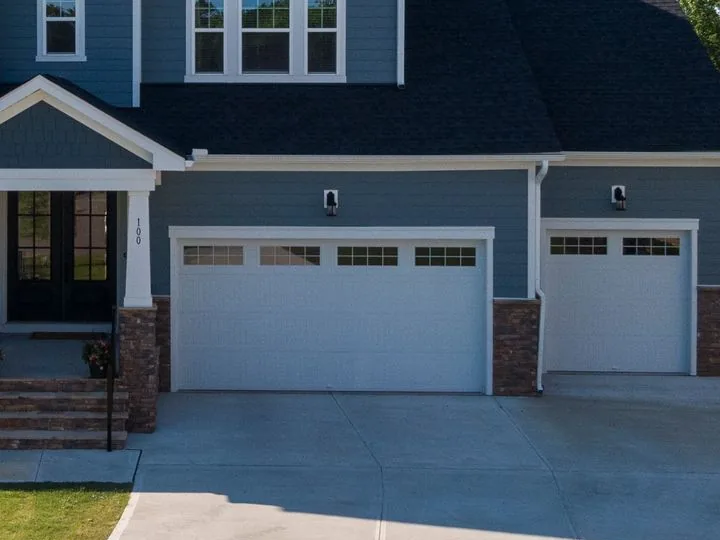
A garage door stuck open can leave vehicles, stored belongings, and the property exposed. If the door also has damaged lifting hardware or unstable sections, keep people away and avoid forcing it closed. Metro Garage Doors offers 24/7 emergency garage door and gate service for urgent access and security problems.
A guaranteed same-day response does not guarantee same-day repair completion. The actual work depends on the diagnosed fault, the condition of the equipment, and whether suitable replacement parts are available. Some repairs may require additional components or a follow-up visit. Confirm the service arrangements when booking.
Photos and videos help show visible damage, door construction, and unusual movement, but they may not reveal the underlying fault. For example, a door that stops halfway could have opener or lifting-system problems. An accurate quote may require an on-site assessment of the affected parts, labor, and replacement requirements.
Start with the service address, type of door, and a short description of the problem. Mention unusual sounds, visible damage, recent changes, and whether the garage is accessible. Photos of the door and its manufacturer label may help identify compatible parts. Don’t operate damaged equipment just to record a video.
Many garage door repairs are possible with a vehicle parked inside, provided there is sufficient safe working space and access to the equipment. Some repairs require moving the vehicle first. Explain the situation when scheduling so access restrictions are understood before work begins. Never force an unstable door open.
A loud bang followed by a door that refuses to lift may indicate a broken torsion or extension spring. Spring failure changes how the door supports its weight and can put excessive strain on the opener. Stop operating the system and arrange professional garage door repair instead of trying to lift or release the door.
Uneven cable tension may indicate a cable that has slipped, frayed, or become disconnected from its drum or attachment point. The door can rise unevenly or become unstable. Don’t operate the opener, pull the loose cable, or attempt to adjust the spring assembly. A trained technician needs to examine the lifting system.
The motor isn’t necessarily the problem. A disconnected trolley, damaged drive component, or broken mechanical connection can allow the opener to run without moving the door. A failed spring can also prevent normal operation. The technician must determine whether the fault involves the opener, door hardware, or both before recommending repair.
A door that reaches the floor and reverses may have incorrect closing travel settings, excessive resistance, or a problem with the opener’s force monitoring. Damaged hardware and an uneven floor can also contribute. Repeatedly adjusting the opener without identifying the cause may conceal a mechanical fault, so professional assessment is appropriate.
Continued movement doesn’t confirm that the door is safe. Vehicle impact can bend sections, loosen hinges, damage rollers, or shift the tracks. Problems sometimes appear only during later operating cycles. Avoid further use until you inspect the affected assembly, especially if the door shows visible distortion or uneven movement.
When the wall control works but the remote does not, possible causes include a depleted remote battery, lost programming, interference, or an activated remote-lock feature. Some wall controls intentionally disable wireless transmitters. Check the manufacturer’s instructions for your model before replacing equipment. Persistent problems may require garage door opener service.
Flashing lights often indicate a safety-sensor problem, although the meaning depends on the opener model and flash pattern. Look for objects blocking the sensor beam or visibly misaligned sensors, without touching wiring. If the door continues refusing to close, arrange service. Never bypass protective sensors to restore automatic operation.
Smartphone operation may be possible through a compatible smart controller or an opener with built-in connectivity. Compatibility depends on the opener’s manufacturer, model, communication technology, and safety requirements. Some systems also need reliable Wi-Fi coverage near the garage. Verify supported devices before purchasing an accessory or replacing the operator.
A lost programmed remote may still operate the door until its authorization is removed. Many modern openers let you erase stored transmitters and reprogram the remaining remotes. The exact procedure varies by model. If the remote is missing, address its access permissions promptly rather than assuming a new battery will disable it.
Battery backup works only when the opener has a compatible backup system with sufficient charge and functioning components. It does not necessarily provide unlimited operating cycles during an outage. Older openers may lack this feature entirely. Check the manufacturer’s specifications and test procedures to understand how your particular system behaves without mains power.
Replacement depends on whether a structurally compatible section remains available. Panel dimensions, joint profiles, reinforcement, and hardware connections must match the existing door. A similar-looking section from another model isn’t automatically interchangeable. If compatible parts aren’t available, complete replacement may be the safer, more practical option. Explore garage door installation services when replacement becomes necessary.
R-value describes resistance to heat transfer through a material or door section, but it doesn’t necessarily represent the thermal performance of the entire installed door. U-factor measures heat transfer across the complete assembly, including its construction. When comparing insulated garage doors, also consider perimeter seals, glazing, and the garage’s intended use.
Window installation depends on the door’s construction and available manufacturer-approved sections or glazing options. Cutting openings into an unsupported panel can weaken it and affect door balance. A compatible window section may be an option for certain models. Confirm structural requirements and additional weight before modifying an existing garage door.
Converting a double-width opening into two separate garage doors usually involves structural framing changes, including a new center support. The resulting openings also need suitable tracks, spring systems, and openers. Building permits and engineering requirements may apply. Confirm the property’s jurisdiction and structural requirements before beginning the conversion.
A heavier door requires a counterbalance system matched to its actual weight. Existing springs may no longer be suitable, even if they appear undamaged. The opener must also be compatible with the new assembly and its required safety features. Hardware selection should follow the replacement door’s specifications rather than simply reusing existing components.
The decision depends on the springs’ specifications, age, condition, and maintenance history. Where both springs have experienced similar operating cycles, replacing the pair may reduce the likelihood of another near-term failure. The technician should identify the correct matched springs and assess the counterbalance system. Spring replacement isn’t a safe homeowner repair.
New rollers won’t eliminate every source of noise. Hinges, bearings, loose brackets, track alignment, and the opener’s drive system can all produce squeaking or vibration. The sound’s location and timing help identify likely sources. Avoid applying lubricant indiscriminately, especially to track surfaces that aren’t intended to be greased.
A malfunctioning safety-sensor system creates a serious risk during powered closing. Stop using the opener until the fault is corrected. The door may still respond to certain controls, but that doesn’t make bypassing or ignoring the protective system safe. Follow the manufacturer’s instructions and have the sensors and related wiring inspected.
A new bottom seal cannot correct every water-entry problem. Uneven concrete, poor driveway drainage, damaged perimeter weatherstripping, or water flowing toward the garage can leave the opening vulnerable. The seal must fit the door and contact the floor properly, but drainage issues may require attention beyond garage door repairs.
Maintenance generally includes examining lifting cables, springs, rollers, hinges, tracks, attachments, and the door’s operating condition. Technicians may also perform appropriate lubrication, opener checks, and safety-system testing, depending on manufacturer requirements. Regular garage door maintenance helps identify developing problems, although the exact procedures depend on the installed system.
An apparently clear track doesn’t rule out worn support wheels, guide misalignment, incorrect travel limits, sensor faults, or problems with the gate operator. Resistance may occur at a particular point in the movement cycle. Sliding gate service should include checking the mechanical movement and powered controls without bypassing protective devices.
A dragging swing gate needs its mechanical problem corrected before automation. Sagging hinges, unstable posts, or frame distortion can overload a new operator and prevent reliable movement. The gate must also accommodate appropriate protective devices and safe operating clearances. Explore swing door and gate services before selecting a motor.
Automated vehicular gate systems require separate pedestrian access. Walking through the vehicle gate exposes people to moving panels, pinch points, and other potential entrapment hazards. The property should provide a designated pedestrian route. Automatic gate service should also address the required protective devices and the condition of existing safety equipment.
Forcing a jammed shutter can damage curtain slats, guide channels, springs, or operating hardware. Manual operation is appropriate only when the system permits it, and you can follow the manufacturer’s safety procedure. If the shutter blocks essential business access, arrange rolling gate and shutter service rather than forcing the curtain.
Conversion may be possible when the existing door is structurally sound, properly balanced, and suitable for a compatible commercial operator. Installation requires adequate mounting space, electrical provisions, appropriate controls, and required safety protection. Not every manual door is suitable for motorization without modification. See our commercial garage door services for applicable installation work.
Some problems need an on-site inspection, particularly when the door is unstable, safety equipment has failed, or several components are damaged. Contact Metro Garage Doors to discuss your equipment and arrange the appropriate service in Fairfax, VA, and surrounding Northern Virginia communities.