
Residential & commercial garage doors
Keep Small Issues Small
Keep your garage door running smoothly with garage door maintenance in Fairfax, VA. Address noisy rollers, dry hinges, loose hardware, and developing wear before daily operation becomes difficult.
Routine garage door maintenance addresses moving hardware, friction, balance, and safety functions while the door remains operational. A maintenance visit includes inspecting rollers, hinges, tracks, cables, springs, and fasteners, applying suitable lubricants, checking door movement, and identifying worn components that require repair before continued daily use.
Garage door maintenance in Fairfax, VA addresses the gradual effects of repeated door cycles rather than waiting for a breakdown. Rollers rotate inside tracks, hinges carry movement between panels, and fasteners experience vibration each time the door travels. Dry contact points, loose hardware, and uneven wear gradually change how smoothly the assembly operates.
The spring and cable assembly counterbalances the door’s weight, while rollers and tracks guide its movement. Routine servicing reviews these components together because friction, resistance, and loose hardware affect everyday operation. Maintenance also reveals damaged parts that require separate repair rather than lubrication or tightening alone.
A garage door often develops noticeable changes before a component stops working. Squealing hinges, rattling fasteners, grinding rollers, and rough movement indicate areas that need inspection. These symptoms deserve attention even when the opener still completes every cycle, and the door appears to be working normally.
Visible wear requires a different response. Frayed lift cables, damaged brackets, and uncontrolled door movement raise safety concerns beyond routine lubrication. A dedicated garage door safety inspection checks mechanical hazards and safety functions before damaged hardware is placed under repeated operating loads.
An annual professional maintenance visit provides a useful planning point for many residential doors, although manufacturer recommendations and actual usage determine the appropriate schedule. A door opened several times daily experiences considerably more roller rotation, hinge movement, and hardware vibration than one used only occasionally. Unusual noise or movement deserves attention between scheduled visits.
For a household in Burke that uses the garage as its main entrance, repeated morning and evening cycles place regular demands on the rollers, hinges, and lifting hardware. Increasing noise, loose fasteners, or changing door movement calls for earlier servicing. Our garage door preventive maintenance focuses on monitoring developing wear and addressing it before equipment failure.
Step 1
We operate the door through a complete cycle, listening for unusual friction and watching rollers, hinges, and track movement.
Step 2
Suitable lubricant is applied to specified hinges, bearings, and other approved contact points without coating tracks in heavy grease.
Step 3
Accessible hinge and track fasteners are checked, loose non-tension hardware is secured, and damaged attachments are identified for repair.
Step 4
Door balance, travel resistance, and applicable opener safety functions are reviewed, with damaged or high-tension components identified for qualified repair.
During a service appointment, Metro Garage Doors reviews door movement, services appropriate lubrication points, checks accessible hardware, and identifies worn components that need separate repair. Spraying lubricant across every visible component is not proper maintenance. Hinges, bearings, sealed rollers, tracks, cables, and spring hardware have different service requirements. Correct servicing reduces unnecessary friction, identifies loose or deteriorating parts, and distinguishes ordinary maintenance work from repairs involving damaged or tensioned hardware.
Metal hinges and specified bearings receive suitable lubricant, while sealed rollers and other components are treated according to manufacturer instructions instead of being coated indiscriminately.
Ordinary hinge screws and accessible track-support fasteners receive appropriate attention. Bottom brackets, spring anchors, and cable attachments require trained handling because they involve significant tension.
A door that drops, rises unexpectedly, or feels excessively heavy signals counterbalance trouble. Adding lubricant or increasing opener force does not correct that problem.
When lubrication alone does not resolve rattling, uneven travel, or hardware movement, a focused garage door tune-up addresses appropriate adjustments and mechanical operating conditions.
Garage door tracks generally need cleaning rather than a heavy coating of lubricant. Grease inside the tracks collects dirt and debris, which interferes with roller movement. Lubrication belongs on the moving components specified by the door or hardware manufacturer, such as certain hinges, bearings, and metal roller assemblies.
Temperature changes affect lubricant consistency and the movement of metal hardware. Existing friction in bearings, hinges, or rollers becomes more noticeable when components are dry or worn. A maintenance visit checks these contact points and fasteners rather than assuming every seasonal noise means the springs or opener have failed.
Spring anchor brackets, winding cones, bottom brackets, and lift cable attachments involve significant stored tension. Loosening or adjusting these components creates a serious injury risk. Homeowners should leave them untouched and arrange qualified service. Ordinary decorative trim screws are different from the tension-bearing hardware used to lift the door.
Routine maintenance typically covers inspection, approved lubrication, ordinary hardware checks, and operating tests. Replacement of damaged rollers, cables, springs, hinges, or track sections involves additional parts and labor. When an inspection reveals component failure, the required repair is identified separately rather than treated as routine lubrication or cleaning.
Automatic openers have their own drive hardware, controls, travel settings, and safety functions. A maintenance appointment includes applicable checks of opener operation and safety reversal, depending on the service booked. Worn drive components, failed controls, or defective sensors require additional opener-specific repair rather than adjustments to the door hardware alone.
Schedule garage door maintenance in Fairfax, VA when rollers squeal, hinges rattle, or door movement feels rough. Metro Garage Doors services working doors throughout the area. Call (703) 944-0855.
We’re available 24/7 for your assistance!
Prefer to talk?
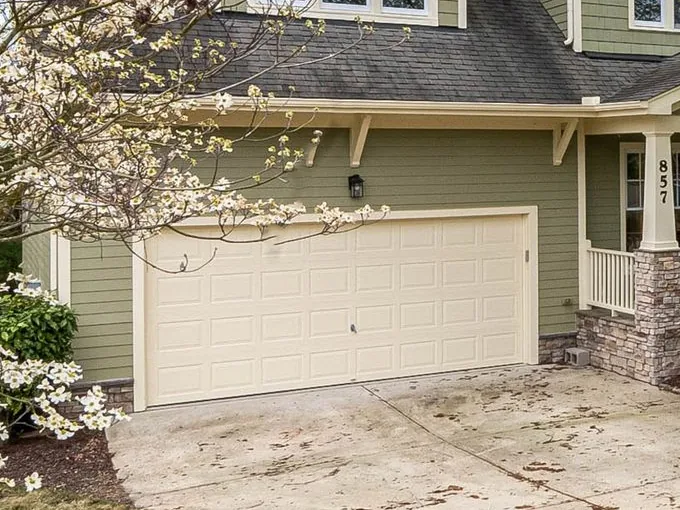
Frayed, broken, or displaced lift cables require garage door cable replacement to restore proper lifting support.
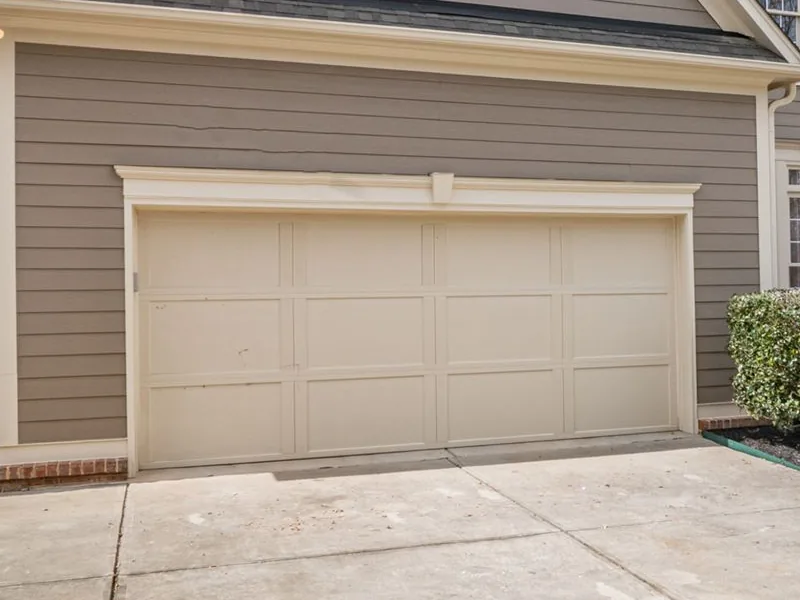
When controls, motor output, or powered movement are failing, garage door opener services address those components separately.
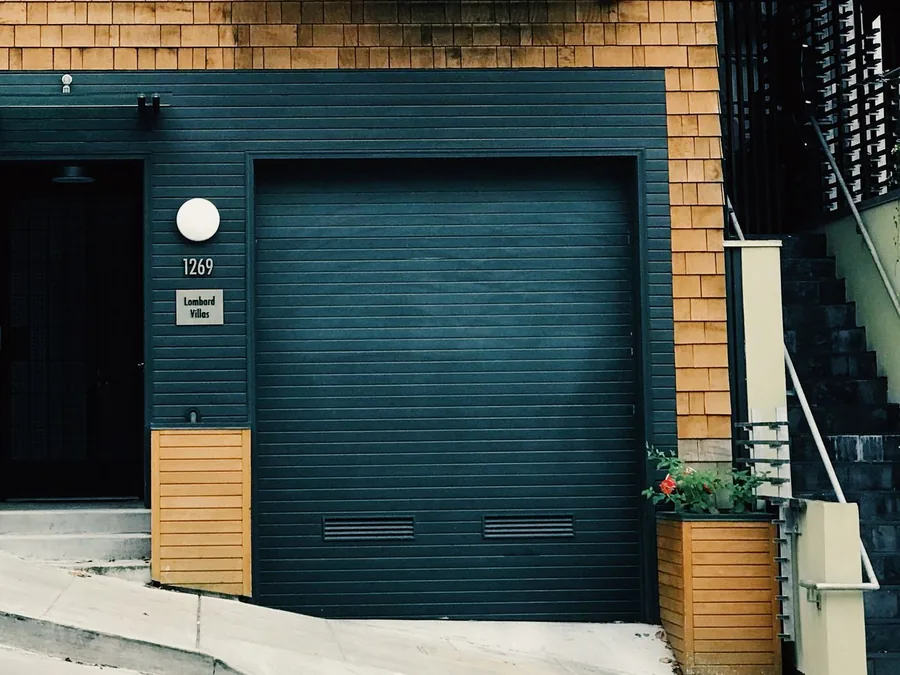
If damaged rollers, hinges, or tracks already interrupt movement, garage door repair addresses the affected hardware.

A broken or weakened counterbalance spring requires garage door spring replacement, not routine lubrication or fastener tightening.