
Residential & commercial garage doors
Back to Smooth Operation
Stuck, crooked, unusually loud, or refusing to open? Get garage door repair in Fairfax, VA for mechanical and operating problems that need proper diagnosis before more parts are damaged.
Garage door repair can address lifting, guidance, hardware, opener, and safety problems that interfere with normal movement. The first step is identifying what the door is doing, then tracing that symptom back to the spring system, cables, rollers, tracks, hinges, opener, or related components.
A garage door depends on multiple systems working together. Springs and cables help manage lifting force, rollers travel through the tracks, hinges connect moving sections, and the opener controls powered movement. A problem in one area can create symptoms that look like failure somewhere else.
A door that stops halfway, for example, does not automatically mean the opener has failed. Spring tension, cable condition, track resistance, roller movement, or section hardware may all affect travel. Effective residential garage door repair starts by separating these possibilities instead of replacing the first component that appears suspicious.
Door behavior gives useful clues. A heavy door may point toward lost lifting assistance, while one side hanging lower can indicate a cable or drum problem. Grinding, scraping, shaking, or sudden resistance may instead involve rollers, tracks, hinges, or hardware that no longer moves in the intended path.
Continuing to force a malfunctioning door can spread the problem. A roller leaving the track can damage the track edge, loose section hardware can worsen alignment, and a door operating unevenly can place additional load on connected lifting components. Identifying the symptom early helps keep the repair focused.
A homeowner may assume the opener has failed because the door will not lift, but the real cause could be lost spring tension or another mechanical restriction. A door that suddenly feels much heavier can point toward a broken garage door spring rather than an electrical opener problem.
Metro Garage Doors approaches garage door repair in Fairfax, VA by tracing the visible behavior back through the components responsible for that movement. Whether the door hangs low, binds, shakes, stops halfway, or refuses to close, the goal is to isolate the failed system before parts are changed.
Step 1
We start with how the door moves, sounds, sits, and responds before narrowing the problem to individual operating components.
Step 2
Lifting hardware, guidance parts, section connections, opener operation, and safety controls are checked separately to locate where failure begins.
Step 3
The damaged or failed component is repaired or replaced after the problem is isolated instead of treating only the visible symptom.
Step 4
Door balance, alignment, travel, closing position, opener response, and related hardware are reviewed after the repair is completed.
One symptom can have several possible causes, so useful repair work starts with diagnosis rather than parts swapping. Metro Garage Doors looks at movement, position, resistance, noise, and opener response together to determine which system is actually interfering with normal garage door operation.
The door’s movement, sound, resistance, position, and response to the opener help narrow down which mechanical or electrical system needs attention.
Connected parts are reviewed together so one visible failure does not hide another issue affecting the same door movement.
We keep the work centered on failed components instead of automatically turning an isolated garage door problem into a complete replacement.
Residential garage doors, commercial overhead doors, openers, gates, and access systems give our team experience with multiple moving and control systems.
A door that rises slightly and stops may have lost spring assistance, encountered track resistance, or reached the opener’s force limit. Binding rollers, damaged hardware, or an unbalanced door can also contribute. The door should be checked before repeatedly forcing the opener to lift it.
Uneven door position can result from a damaged or loose lift cable, drum problem, roller issue, track interference, or uneven spring tension. Continued operation can worsen alignment and place extra stress on connected hardware, so the cause should be identified before regular use continues.
A loud bang can occur when a torsion or extension spring breaks, although other hardware failures may also create sudden noise. A broken spring changes how the door’s weight is supported, so the door may become extremely heavy or stop opening normally afterward.
Reversing after contact or during closing can involve safety sensors, an obstruction, travel settings, track resistance, or a mechanical bind. The sensors should remain aligned and unobstructed, but the door itself also needs to move freely for the opener to complete a closing cycle.
Continued operation can pull rollers farther from the track, strain cables, damage sections, or bend the track itself. An off-track door should generally remain stationary until the rollers, tracks, cables, alignment, and related hardware are checked for the cause of the displacement.
If the door is stuck, crooked, noisy, heavy, or moving differently than usual, describe the symptom and let Metro Garage Doors trace the cause. Call (703) 944-0855 to schedule garage door repair near Fairfax and surrounding Northern Virginia communities.
We’re available 24/7 for your assistance!
Prefer to talk?
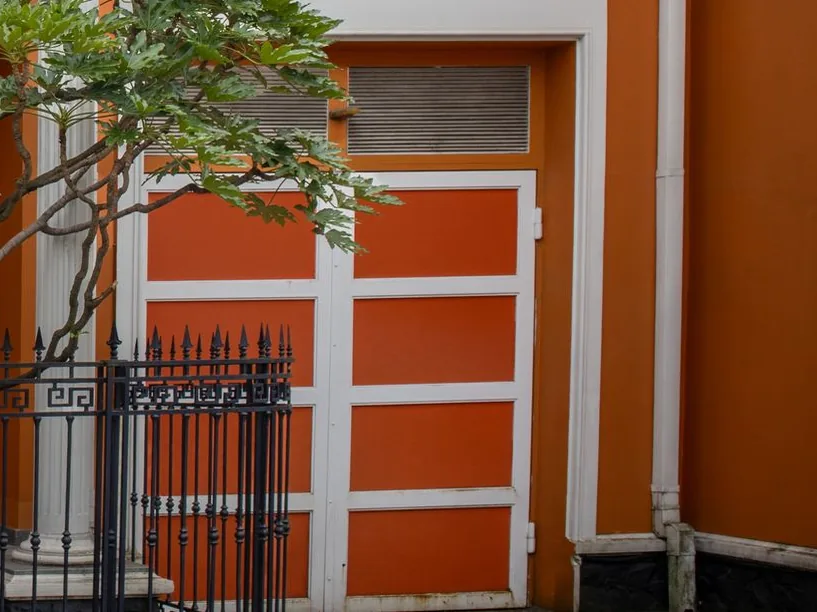
A door that suddenly feels heavy or will not lift may need garage door spring replacement after the spring system is checked.
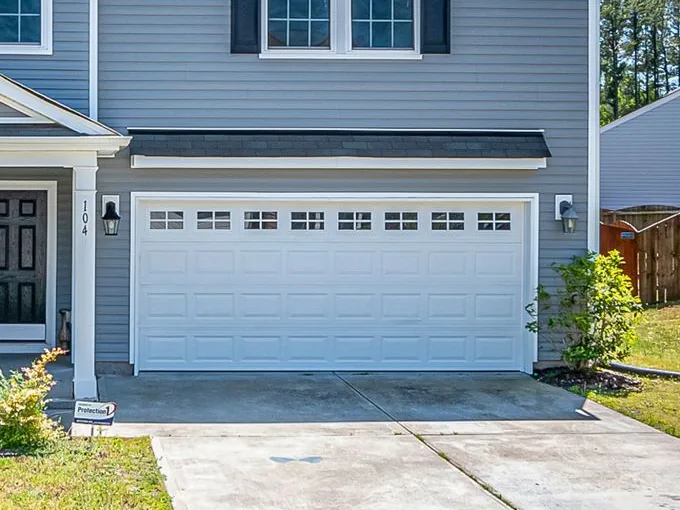
If one side hangs lower or a lift cable is frayed, loose, or broken, garage door cable replacement may be required.
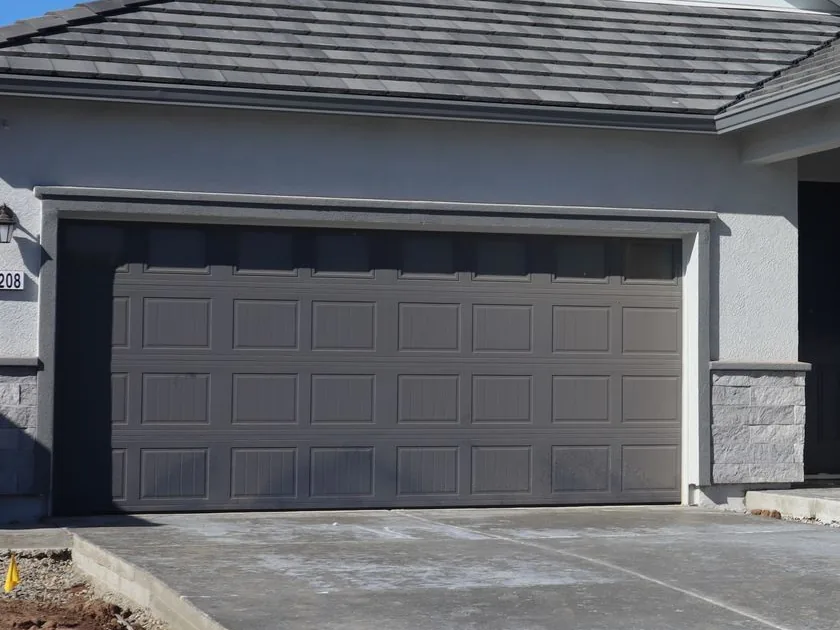
Rough travel, seized rollers, or rollers no longer following the track correctly may call for garage door roller replacement.
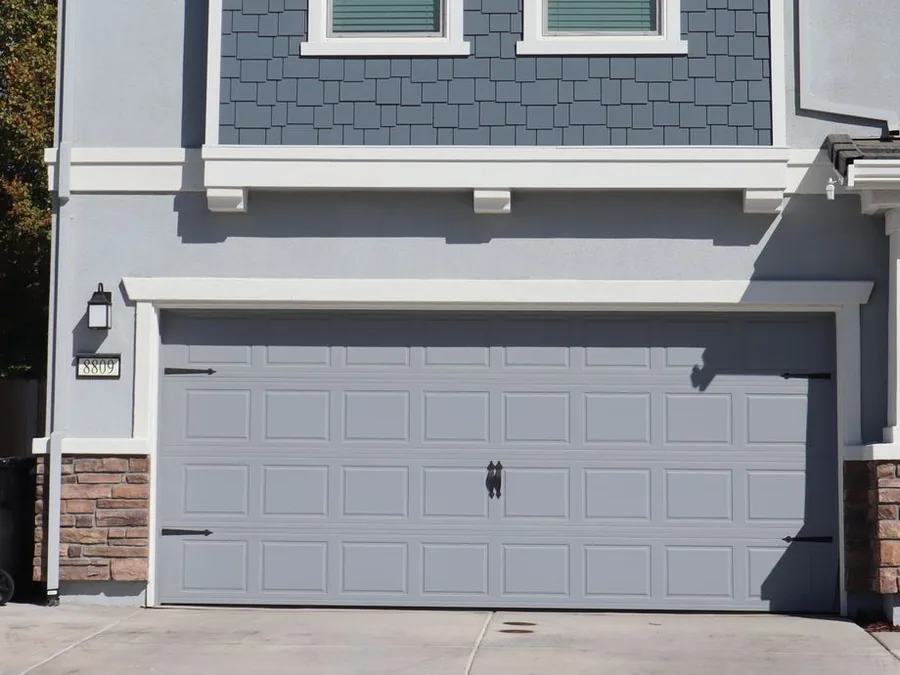
A visibly bent or damaged roller path may require garage door track replacement rather than repeated adjustment.